
Obesity

Orlistat
from14,98 £
View product

Xenical
from41,22 £
View product

Bupropion + Naltrexone
from68,95 £
View product
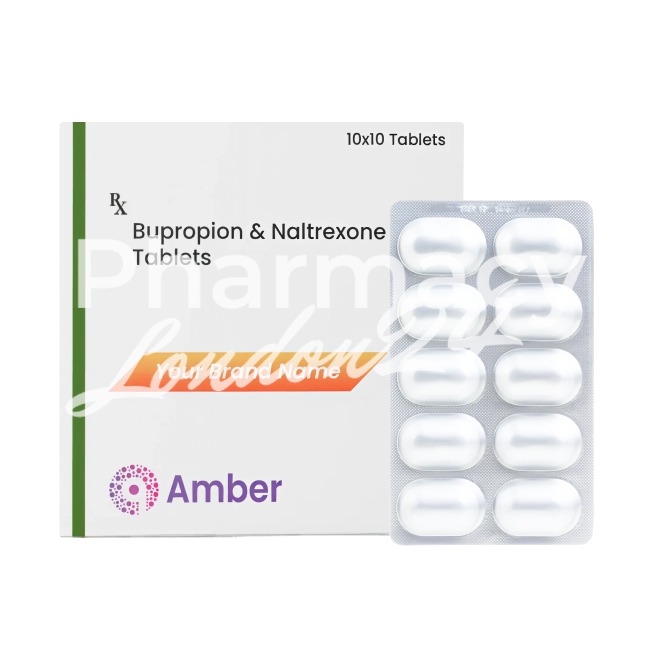
Mysimba
from68,95 £
View product
Understanding Obesity and Its Health Impact
Obesity is a complex medical condition characterised by excessive body fat that may impair health. In the UK, healthcare professionals use Body Mass Index (BMI) classifications to assess weight status: normal weight (18.5-24.9), overweight (25-29.9), obesity class I (30-34.9), obesity class II (35-39.9), and obesity class III (40+). Understanding these classifications helps individuals recognise when professional intervention may be beneficial. Excess weight significantly increases the risk of developing serious health conditions including type 2 diabetes, cardiovascular disease, stroke, sleep apnoea, and certain cancers. The psychological impact can be equally profound, affecting mental health and quality of life. Current NHS statistics indicate that approximately 28% of adults in England are obese, with rates continuing to rise across all age groups. Medical intervention should be considered when lifestyle modifications alone prove insufficient, particularly for individuals with a BMI over 30 or those with a BMI over 27 alongside weight-related health conditions. Professional healthcare guidance from GPs, dietitians, and specialists ensures safe, evidence-based approaches to weight management tailored to individual circumstances and medical history.Weight Management Medications Available in the UK
Prescription weight loss medications serve as valuable tools alongside lifestyle changes for eligible patients struggling with obesity. These medicines work through different mechanisms to support sustainable weight reduction when diet and exercise alone haven't achieved desired results.Licensed Weight Loss Medications
- Orlistat (Xenical, Alli): Blocks approximately 30% of dietary fat absorption in the intestines, available both on prescription and over-the-counter in lower doses
- Liraglutide (Saxenda): A daily injection that mimics hormones regulating blood sugar and appetite, helping patients feel fuller for longer periods
- Naltrexone-bupropion combinations: Targets brain pathways controlling appetite and food cravings through dual-action mechanisms
Over-the-Counter Weight Management Solutions
The UK market offers various over-the-counter weight management products to support your weight loss journey. These supplements typically contain ingredients such as green tea extract, chromium, glucomannan, and caffeine, which may help boost metabolism or reduce appetite. Orlistat, available as Alli, is the only licensed weight loss medicine available without prescription in the UK.Available Product Types
- Appetite suppressants containing natural fibres like glucomannan
- Metabolism boosters with caffeine and green tea extract
- Meal replacement shakes and protein supplements
- Fibre supplements to promote satiety and digestive health
Lifestyle Support Products and Monitoring Tools
Effective weight management often requires monitoring various health parameters alongside weight loss efforts. Blood glucose monitors are particularly important for individuals with diabetes, helping track how dietary changes affect blood sugar levels. Similarly, blood pressure monitors enable regular cardiovascular health checks during weight reduction programmes.Essential Monitoring Equipment
- Digital blood glucose metres and test strips
- Automatic blood pressure monitors
- Body composition scales
- Portion control plates and measuring tools
Professional Support and Treatment Pathways
NHS Weight Management Services and Referral Processes
The NHS offers comprehensive weight management services across the UK, with most areas providing tier 2 and tier 3 programmes for individuals with obesity. Your GP can refer you to local NHS weight management services, which typically include structured lifestyle programmes combining dietary advice, physical activity guidance, and behavioural support. These services are usually available for adults with a BMI of 30 or above, or those with a BMI of 28-30 with obesity-related health conditions such as diabetes or hypertension.Private Weight Loss Clinic Options
Private weight management clinics throughout the UK offer personalised treatment plans that may include medical supervision, advanced diagnostic testing, and access to prescription medications not readily available through standard NHS pathways. These clinics often provide more intensive support with shorter waiting times and may offer innovative treatments such as metabolic profiling and specialist nutritional therapy.Bariatric Surgery Considerations and Preparation
Bariatric surgery is available through the NHS for individuals who meet specific criteria, including a BMI of 40 or above, or 35-40 with significant obesity-related health problems. The process typically involves extensive pre-surgical assessment, psychological evaluation, and demonstration of commitment to lifestyle changes. Private bariatric surgery options are also available across the UK, offering procedures such as gastric sleeve, gastric bypass, and gastric band surgery.Psychological Support for Eating Behaviours
Addressing the psychological aspects of obesity is crucial for long-term success. Many NHS weight management programmes include access to clinical psychologists or counsellors specialising in eating behaviours. Cognitive behavioural therapy (CBT) and other therapeutic approaches can help identify triggers for overeating, develop healthy coping strategies, and address emotional relationships with food.Long-term Maintenance Strategies
Successful weight management requires ongoing support beyond initial weight loss. This includes regular monitoring appointments, access to refresher programmes, and continued engagement with healthcare professionals. Many services offer maintenance groups and online support platforms to help individuals sustain their achievements over time.Working with Healthcare Professionals
A multidisciplinary approach involving GPs, practice nurses, dietitians, pharmacists, and specialist obesity practitioners provides the most comprehensive care. Regular monitoring of progress, medication effects, and overall health ensures safe and effective treatment whilst addressing any complications or adjustments needed along the way.Safety Guidelines and Contraindications
Who Should Avoid Certain Weight Loss Medications
Weight loss medications are not suitable for everyone and should be avoided by certain groups. Individuals under 18 years of age, those with a history of eating disorders, severe depression, or suicidal thoughts should not use most prescription weight loss medications. People with uncontrolled hypertension, severe heart conditions, or a history of stroke should also avoid stimulant-based treatments.Drug Interactions and Medical Conditions to Consider
Several medical conditions and medications can interact dangerously with weight loss treatments. Key considerations include:- Diabetes medications may require dose adjustments as weight loss progresses
- Blood pressure medications may need monitoring and modification
- Antidepressants, particularly MAOIs, can have serious interactions
- Thyroid disorders require careful monitoring during weight loss treatment
- Kidney or liver disease may affect medication clearance and dosing