
Xenical
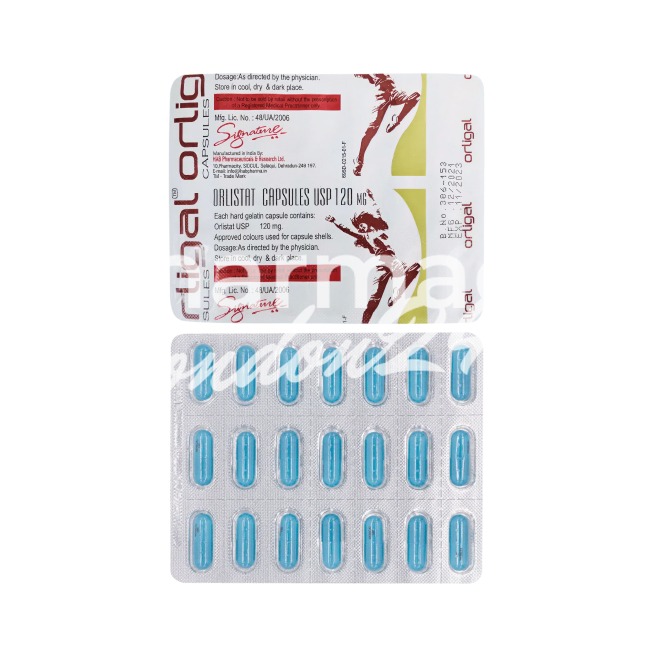
In brief
- Xenical can be purchased in our pharmacy without a prescription, with discreet delivery throughout the United Kingdom.
- Xenical is used for the treatment of obesity by blocking the absorption of dietary fats in the intestines, thus promoting weight loss.
- The usual dosage of Xenical is 120 mg taken orally three times daily with each main meal containing fat.
- The form of administration is a capsule.
- The duration of action is variable; however, it is recommended to review efficacy after 12 weeks of use.
- It is advisable to avoid alcohol during treatment.
- The most common side effects include oily or fatty stools, and increased defecation.
- Would you like to try Xenical without a prescription?
Basic Xenical information
- INN (international nonproprietary name): Orlistat
- Brand names available in the United Kingdom: Xenical and alli
- ATC code: A08AB01
- Forms and dosages: Capsule, 120 mg, oral; capsule (alli), 60 mg, oral
- Manufacturers in the United Kingdom: F. Hoffmann-La Roche AG for Xenical; generics available from multiple suppliers
- Registration status in the United Kingdom: Xenical 120 mg is a prescription-only medicine (POM); orlistat 60 mg (alli) is a pharmacy (P) medicine
- OTC / Rx classification: Prescription-only (POM) for 120 mg; pharmacy medicine (P) for 60 mg
Everyday use and best practices
When considering how to properly incorporate Xenical (Orlistat) into a daily routine, understanding the timing and dietary habits is essential for achieving the best results.
Morning vs evening dosing
Taking Xenical is generally recommended to be done in alignment with meals. The advised approach is to take the 120 mg capsule three times a day. It should be consumed during or up to one hour after eating a meal, especially one containing fat. This timing maximises absorption and effectively inhibits the enzyme lipase, responsible for fat absorption. Therefore, to maintain consistency, it’s advisable to follow the same routine regarding morning and evening doses.
Taking with or without meals
Xenical works on the fat in the meal it is taken with. A typical guideline is for approximately 30% of daily calorie intake to come from fat. Xenical blocks about 30% of dietary fat from being absorbed. If a meal is skipped or contains no fat, the Xenical dose can be omitted.
Safety priorities
While Xenical is an effective weight loss aid, safety remains a prime concern for potential users. Awareness of who should avoid it and the influence on daily activities is critical.
Who should avoid it
Certain groups should exercise caution or completely avoid Xenical. These include individuals with chronic malabsorption syndromes, such as cholestasis or inflammatory bowel disease, as well as those with a known hypersensitivity to orlistat. Additionally, due to potential impacts during pregnancy and breastfeeding, its use is contraindicated. Consult a healthcare professional if unsure about personal suitability.
Activities to limit
The side effects of Xenical, primarily those related to gastrointestinal distress, have potential implications for daily activities. Users may experience symptoms such as oily stools or increased urgency for bowel movements, which could make driving or operating machinery unsafe. Therefore, individuals should be conscious of how they feel before undertaking tasks that require full attention and coordination.
Dosage and adjustments
Understanding the proper dosing of Xenical is fundamental to ensuring its efficacy and safety.
General regimen
The recommended dosage for adults is a capsule of 120 mg taken three times daily. This is best done with every main meal that contains fat (during or up to one hour after). Users are expected to adhere strictly to a nutritionally balanced, reduced-calorie diet alongside the medication. According to NHS guidance, if a user does not lose at least 5% of their body weight within 12 weeks, it may be advisable to discontinue use and consult a healthcare provider for evaluation.
Special cases
Usage in elderly patients does not necessitate dosage adjustment; however, caution should be exercised considering the potential for other health conditions. In individuals with renal impairment, while direct studies on Xenical are lacking, caution is still recommended due to the potential for altered pharmacokinetics. Always refer to a healthcare professional for personalised advice regarding any adjustments in medication dosing.
What’s inside and how it works
Ingredients overview
The active ingredient of Xenical is orlistat, which inhibits fat absorption in the digestive system.
Each capsule of Xenical contains:
- Orlistat 120 mg
This ingredient works by blocking the enzymes that break down fat in the diet, preventing around 30% of dietary fat from being absorbed into the body. The unabsorbed fat is then eliminated through the digestive system, aiding weight loss.
Mechanism basics explained simply
Xenical operates by interfering with the digestion of dietary fats. After food consumption, Orlistat binds to intestinal lipases, which are enzymes responsible for breaking down fats. By blocking these enzymes, it results in lower fat breakdown and absorption.
This mechanism means that less fat enters the bloodstream, leading to decreased calorie intake. Moreover, users are encouraged to follow a well-balanced diet as this enhances the effectiveness of the treatment while managing potential side effects.
Main indications
Approved uses
Xenical is licensed in the UK, together with a mildly hypocaloric diet, for the treatment of:
- Obesity management in adults with a body mass index (BMI) of 30 or more.
- Overweight individuals with a BMI of 28 or higher who also have associated health risks.
It is most effective when combined with a reduced-calorie diet and increased physical activity.
Off-label uses in UK clinics
In some UK clinics, healthcare professionals may prescribe Xenical for off-label uses like metabolic syndrome management and certain obesity-related conditions. It is essential to consult medical professionals before taking Xenical for such purposes.
Interaction warnings
Food interactions
Dietary choices can significantly impact the effectiveness of Xenical. It's advisable to:
- Avoid high-fat meals to mitigate gastrointestinal side effects.
- Limit alcohol consumption, as it can exacerbate potential side effects.
Drug conflicts
Potential interactions with other medications include:
- Anticoagulants, requiring monitoring of their effects.
- Ciclosporin, levothyroxine and some antiepileptic medicines, which may need dose or timing adjustments.
- Medications for diabetes, which may also be influenced due to changes in dietary intake.
Before starting Xenical, it’s crucial to discuss all current medications with a healthcare provider to minimise risks and complications.
Alternative choices
Alternatives for weight management include:
- alli: A lower-dose (60 mg) version of orlistat available from pharmacies, with a similar mechanism.
- Saxenda: An injectable GLP-1 receptor agonist that can suppress appetite, leading to reduced calorie intake.
Each alternative has its pros and cons:
| Medication | Pros | Cons |
|---|---|---|
| Xenical | Significant fat blocking | Gastrointestinal side effects |
| alli | Pharmacy medicine (60 mg) | Lower effectiveness |
| Saxenda | Appetite reduction | Injectable |
Consulting a healthcare professional can guide individuals toward the right weight-loss medication.
Regulation snapshot
Xenical, known generically as orlistat, holds a prescription-only status in the UK. The MHRA (Medicines and Healthcare products Regulatory Agency) has licensed it for use as a weight-loss aid in adults with a BMI of 30 or higher, or those with a BMI of 28 with weight-related comorbidities.
Healthcare professionals emphasise the importance of a balanced, reduced-calorie diet alongside any weight-loss medication, including Xenical. This dual approach ensures maximal efficacy and mitigates potential adverse effects, particularly due to its fat-blocking properties, which can lead to gastrointestinal discomfort if fats are consumed in excess.
Frequently asked questions
1. How does Xenical work for weight loss?
Xenical inhibits the enzyme lipase, which is responsible for breaking down fats in the intestine. By blocking fat absorption, it helps reduce calorie intake, leading to weight loss. However, it's essential to pair it with a lower-fat diet for optimal results.
2. What are the common side effects of Xenical?
Some patients report gastrointestinal issues such as oily stools, flatulence, and increased bowel movements. These effects are often more pronounced in those who consume high-fat meals, so maintaining a balanced diet is crucial.
3. Is it safe to take Xenical long-term?
Xenical has been studied for long-term use, generally up to four years. However, ongoing assessment is important. If a patient does not lose at least 5% of their body weight after 12 weeks, discontinuation is advised.
4. Can Xenical be purchased without a prescription?
No, in the UK, Xenical 120 mg is a prescription-only medicine (POM). Lower-dose orlistat 60 mg, known as alli, is available from pharmacies without a prescription. It's advisable to consult a healthcare provider before starting any weight-loss medication.
Guidelines for proper use
When using Xenical, adhere to these guidelines to ensure safe and effective treatment:
- Dosage: Take one 120 mg capsule three times daily with each main meal that contains fat, preferably within one hour after eating.
- Diet: Focus on a nutritionally balanced, reduced-calorie diet that includes approximately 30% of calories from fat.
- Hydration: Maintain adequate hydration to support overall health and assist your body during the weight loss process.
- Monitoring: Keep track of your weight and any side effects you experience, and discuss them with your healthcare provider.
Patients are encouraged to reach out to NHS support resources or a pharmacist for any concerns or questions about diet and proper use of Xenical.
Delivery information
| City | Region | Delivery Time |
|---|---|---|
| London | Greater London | 9–21 days |
| Birmingham | West Midlands | 9–21 days |
| Manchester | North West | 9–21 days |
| Leeds | West Yorkshire | 9–21 days |
| Glasgow | Scotland | 9–21 days |
| Bristol | South West | 9–21 days |
| Sheffield | South Yorkshire | 9–21 days |
| Nottingham | East Midlands | 9–21 days |
| Newcastle | North East | 9–21 days |
| Cardiff | Wales | 9–21 days |
| Coventry | West Midlands | 9–21 days |
| Sunderland | North East | 9–21 days |
| Wolverhampton | West Midlands | 9–21 days |



