
Orlistat
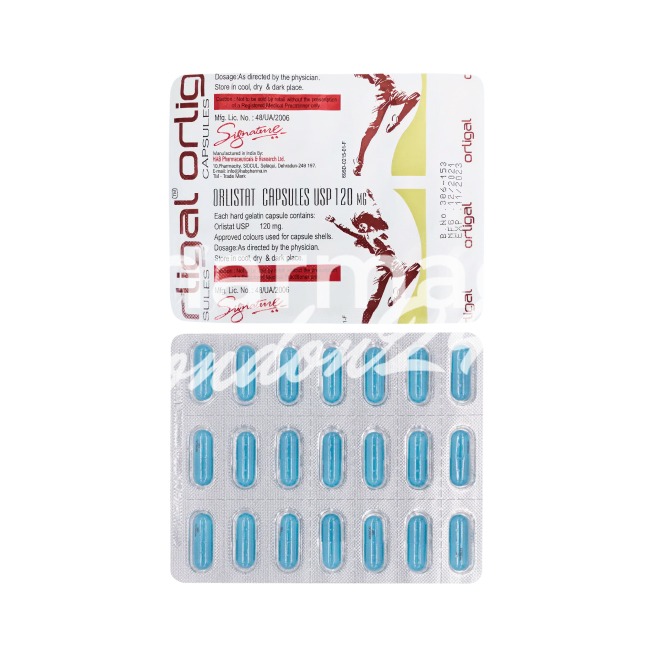
In brief
- Orlistat 60 mg (alli) is available from pharmacies without a prescription; orlistat 120 mg (Xenical) is a prescription-only medicine (POM) in the UK.
- Orlistat is used for the treatment of obesity and aids in weight loss by inhibiting the absorption of dietary fats in the intestines.
- The usual dosage of orlistat is 120 mg (Xenical) or 60 mg (alli) taken three times daily with main meals.
- The form of administration is a hard gelatin capsule.
- It is advisable to avoid alcohol while taking orlistat.
- The most common side effect is oily spotting or flatulence.
- Would you like to try orlistat without a prescription?
Basic Orlistat information
- INN (international nonproprietary name): Orlistat
- Brand names available in the United Kingdom: alli, Xenical
- ATC code: A08AB01
- Forms and dosages: Capsules (60 mg, 120 mg)
- Manufacturers in the United Kingdom: Roche (Xenical), GlaxoSmithKline (alli) and generic suppliers
- Registration status in the United Kingdom: Orlistat 120 mg (Xenical) is a prescription-only medicine (POM); orlistat 60 mg (alli) is a pharmacy (P) medicine
- OTC / Rx classification: Prescription-only (POM) for 120 mg; pharmacy medicine (P) for 60 mg
Everyday use and best practices
Orlistat hinders fat absorption, so the timing and conditions under which it is taken influence the results.
Morning vs evening dosing
The ideal approach for taking orlistat is to align the doses with each main meal—breakfast, lunch, and dinner. This strategy ensures that the medication effectively blocks the absorption of fats from the food consumed. Consistency plays a critical role; patients should aim to take orlistat at the same times each day. Here are practical tips to help establish a routine:
- Set reminders on your phone or using a calendar to take orlistat with your meals.
- Prepare your meals ahead of time to prevent skipping doses.
- Keep a small supply of orlistat in your bag for when you're eating out.
- Combine the medicine with a healthy eating plan to see optimum results.
Taking with or without meals
Orlistat is best taken during or just before meals that include fat. A balanced diet that aligns with the medication can help enhance its efficacy. Here are some practical meal planning tips:
- Focus on high-fibre foods: Incorporate plenty of fruits, vegetables, and whole grains that support overall health.
- Choose low-fat options: Opt for lean meats, low-fat dairy, and oil-based dressings in moderation.
- Stay hydrated: Drink plenty of water throughout the day, particularly with meals.
- Mind portion sizes: Eating smaller portions helps maintain calorie control while using orlistat.
If a meal is skipped or contains no fat, the orlistat dose for that meal can be omitted.
Safety priorities
Who should avoid it
Orlistat is not suitable for everyone. Certain groups should steer clear to ensure safety and health. Absolute contraindications include:
- Chronic malabsorption syndrome
- Hypersensitivity to orlistat or its excipients
- Pregnancy and breastfeeding
Consulting healthcare providers is a must for individuals with various health conditions, particularly those with diabetes or thyroid issues. This ensures a safe approach to weight management.
Activities to limit
Potential side effects of orlistat can impede daily life. Urgent bowel movements, oily stools, and abdominal discomfort could jeopardise activities requiring full concentration, such as driving or tasks that require heightened alertness. Patients experiencing these side effects should discuss them with their healthcare provider.
Dosage and adjustments
General regimen
Orlistat is available in two strengths:
| Dosage form | Strength (mg) | Route | Common brands |
|---|---|---|---|
| Capsule | 60 | Oral | alli (pharmacy medicine) |
| Capsule | 120 | Oral | Xenical (prescription-only) |
The standard dose of Xenical is 120 mg taken three times daily with main meals. Orlistat 60 mg (alli), also taken three times daily with main meals, is available from pharmacies without a prescription for adults with a BMI of 28 or more. Adhering to these guidelines is vital to achieve safe and effective results.
Special cases (elderly, comorbidities)
Patients who fall into specific categories, such as the elderly or those with comorbidities, may require dosage adjustments or enhanced monitoring while on orlistat. Regular consultations with healthcare professionals ensure that any needed changes in treatment are promptly addressed.
What’s inside and how it works
Ingredients overview
The active ingredient of the capsules is orlistat, which inhibits lipid absorption. The capsules also contain excipients that support stability and drug delivery.
Mechanism basics explained simply
Orlistat works by blocking the enzymes that break down dietary fat in the intestines, so a portion of the fat is not absorbed and is passed out of the body. This reduces calorie intake and supports weight loss alongside a reduced-calorie diet.
Main indications
Approved uses
Orlistat is licensed in the UK for the treatment of obesity (Xenical, BMI of 30 or more, or 28 or more with associated risk factors) and for weight loss in overweight adults with a BMI of 28 or more (alli), together with a reduced-calorie diet and other lifestyle changes.
Off-label uses in UK clinics
While Orlistat's approved use focuses on obesity, some clinics use it off-label for conditions such as metabolic syndrome. Patients should consult healthcare professionals before using orlistat for non-approved purposes.
Interaction warnings
Food interactions
When taking Orlistat, certain foods and beverages could interfere with its effectiveness or heighten side effects. Consuming high-fat foods can exacerbate gastrointestinal discomfort and lead to unpleasant symptoms. Alcohol may cause additional complications, so it’s essential to monitor dietary intake. Following a lower-fat diet while on orlistat reduces the risk of gastrointestinal side effects.
Drug conflicts
Certain medications could interact negatively with Orlistat, particularly ciclosporin, whose effect may be reduced. Patients should report any adverse reactions promptly (suspected side effects can be reported through the Yellow Card scheme) and tell their healthcare provider about current medications.
Delivery times for Orlistat purchases
| City | Region | Delivery Time |
|---|---|---|
| London | Greater London | 9–21 days |
| Birmingham | West Midlands | 9–21 days |
| Manchester | Greater Manchester | 9–21 days |
| Glasgow | Scotland | 9–21 days |
| Leeds | West Yorkshire | 9–21 days |
| Bristol | South West England | 9–21 days |
| Sheffield | South Yorkshire | 9–21 days |
| Cardiff | Wales | 9–21 days |
| Edinburgh | Scotland | 9–21 days |
| Coventry | West Midlands | 9–21 days |
| Belfast | Northern Ireland | 9–21 days |
| Nottingham | East Midlands | 9–21 days |



