
Venlafaxine
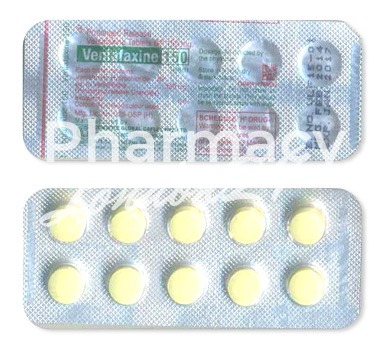
In brief
- In our pharmacy, you can buy Venlafaxine, with delivery in 9–21 days throughout the United Kingdom. Discreet and anonymous packaging.
- Venlafaxine is intended for the treatment of major depressive disorder, generalised anxiety disorder, panic disorder, and social anxiety disorder. The drug works as a serotonin-norepinephrine reuptake inhibitor (SNRI).
- The usual dosage of venlafaxine varies by condition, but it typically starts at 75 mg daily and can be increased by the prescriber.
- The form of administration includes immediate-release tablets and modified-release capsules.
- The effect of the medication begins within 2–4 weeks for optimal improvement, but some patients may notice results sooner.
- The duration of action can last up to 24 hours when taken as directed.
- Do not consume alcohol while taking venlafaxine, as it may increase the risk of side effects.
- The most common side effect is nausea.
- Would you like to try Venlafaxine?
Basic venlafaxine information
- International nonproprietary name (INN): Venlafaxine (as venlafaxine hydrochloride)
- Brand names available in the United Kingdom: Efexor XL, Venlalic, venlafaxine (generic)
- ATC code: N06AX16
- Forms and dosages: Immediate-release tablets (37.5 mg, 75 mg), modified-release capsules (75 mg, 150 mg)
- Manufacturers in the United Kingdom: Pfizer, Accord, various generic manufacturers
- Registration status in the United Kingdom: Prescription only
- OTC / Rx classification: Prescription-only medicine (POM)
Everyday use and best practices
Understanding how to effectively use venlafaxine is essential for achieving optimal results. The timing of doses can significantly affect the overall experience, particularly concerning side effects.
Morning vs evening dosing
Maintaining consistency in dosing time is crucial when taking venlafaxine. This medication can be taken in the morning or evening, depending on individual preferences and side effects. For those who experience insomnia or increased energy, morning dosing may be more suitable. Conversely, evening dosing may benefit individuals prone to drowsiness.
Simple tips include:
- Choose a time that fits easily into daily routines.
- Try to take the medication at the same time every day.
- Monitor how the body's response changes based on the time of dosing.
Taking with or without meals
Taking venlafaxine with meals may help mitigate gastrointestinal side effects such as nausea. It is advisable for patients in the UK to consider their typical meal patterns. Regular meals can provide a predictable schedule for medication intake.
Optimal timings may be:
- Take the medication during or just after meals to minimise stomach upset.
Safety priorities
Patient safety is paramount when taking any medication. A clear understanding of contraindications and potential risks will allow for a safer experience with venlafaxine.
Who should avoid it
Venlafaxine should generally be avoided in:
- Patients currently taking MAOIs, as concomitant use can lead to severe side effects such as serotonin syndrome.
- Individuals with hypersensitivity to venlafaxine or its components.
- Patients with uncontrolled hypertension.
Activities to limit
Due to certain side effects, activities requiring focus and alertness should be approached with caution. Venlafaxine can cause dizziness, somnolence, or blurred vision, impacting abilities for activities such as:
- Driving
- Operating heavy machinery
- Tasks that require complete attention
To manage these risks, monitoring responses to the medication is essential. If impairment occurs, it may be wise to refrain from such activities until a stable routine is established.
Dosage and adjustments
Getting the dosage right is vital for safety and efficacy. Following NHS guidance can help ensure appropriate treatment and management.
General regimen
The NHS recommends starting doses of venlafaxine vary by condition being treated. For instance:
- Major depressive disorder: Starting at 75 mg, with possible titration up as needed.
- Generalised anxiety disorder: Starting dose is also 75 mg.
This gradual adjustment process helps tailor the treatment to individual response, aiming for a balance between efficacy and tolerability.
Special cases
Adjustments may be necessary for certain groups, such as the elderly or individuals with existing comorbidities. Key considerations include:
- Starting at the lowest effective dose for elderly patients to prevent complications.
- Monitoring closely for those with renal or hepatic impairments, which may require reduced dosing or extended dosing intervals.
Ongoing evaluation of side effects is critical to maintaining safety throughout treatment.
What’s inside and how it works
Ingredients overview
Venlafaxine, also known as venlafaxinum, is the primary active compound in its formulations. It is typically available in immediate-release and extended-release forms. Alongside venlafaxine, various stabilisers and excipients are included in the formulations to ensure the medication's stability and effectiveness. These ingredients are essential for the proper absorption of the drug in the body and help in its overall efficacy. Patients should be mindful of any potential allergens in these excipients, as some formulations may vary between brands.
Mechanism basics explained simply
Venlafaxine operates as a serotonin-norepinephrine reuptake inhibitor (SNRI). This means it works by increasing the levels of serotonin and norepinephrine in the brain, neurochemicals crucial for regulating mood. By preventing the reuptake of these neurotransmitters, venlafaxine helps alleviate symptoms of depression and anxiety disorders. This mechanism allows for improvement in mood and overall mental health. For individuals battling conditions like major depression or generalised anxiety disorder, venlafaxine could play a vital role in their treatment plan.
Main indications
Approved uses (MHRA listing)
Venlafaxine has been officially approved by the Medicines and Healthcare products Regulatory Agency (MHRA) for treating several conditions, including major depressive disorder, generalised anxiety disorder, panic disorder, and social anxiety disorder. Its efficacy depends on proper dosing and adherence to the prescribed regimen.
Off-label uses in UK clinics
Although primarily prescribed for the conditions mentioned, venlafaxine has also found use in other settings outside its approved indications. It may be prescribed by specialists for conditions such as neuropathic pain and post-traumatic stress disorder (PTSD). These off-label uses are based on clinical judgement and patient circumstances. Consultation with healthcare providers is essential for those considering off-label options.
Interaction warnings
Food interactions (alcohol, tea/coffee)
Patients taking venlafaxine should be aware of potential dietary interactions. Consuming alcohol while on venlafaxine can intensify side effects like drowsiness and dizziness, risking increased impairment. Similarly, beverages like tea and coffee, which contain caffeine, may exacerbate jitters or anxiety symptoms in some individuals. It’s advisable for patients to moderate their intake of these substances for optimal management of their conditions. Being mindful of dietary habits can significantly impact treatment outcomes.
Drug conflicts
The importance of being vigilant about drug interactions cannot be understated when on venlafaxine. Venlafaxine has significant interactions, particularly with other antidepressants, monoamine oxidase inhibitors (MAOIs) and NSAIDs (which increase bleeding risk). These interactions may elevate the risk of severe side effects or complications, such as serotonin syndrome, which can be life-threatening. Patients should always inform their healthcare providers of all medications and supplements they are taking to ensure a safe treatment plan.
Alternative choices
For individuals considering alternatives to venlafaxine, there are several medications available on the NHS targeting similar symptoms like depression and anxiety. Here’s a brief overview:
- SSRIs (selective serotonin reuptake inhibitors): fluoxetine, citalopram and sertraline are widely used first-line options. Pros: generally well tolerated, simple dosing. Cons: onset can be delayed.
- Other SNRIs: duloxetine is effective for anxiety and for pain disorders. Pros: dual action. Cons: possible liver concerns and nausea.
- Tricyclic antidepressants: amitriptyline is sometimes used for anxiety and pain. Pros: effective in some severe cases. Cons: more side effects, not first-line.
Regulation snapshot
The Medicines and Healthcare products Regulatory Agency (MHRA) classifies venlafaxine as a prescription-only medicine (POM). It is licensed for major depressive disorder, generalised anxiety disorder, panic disorder and social anxiety disorder. Healthcare providers should counsel patients about potential side effects, notably raised blood pressure and the risk of serotonin syndrome, and blood pressure should be monitored during treatment.
Frequently asked questions
Common side effects include nausea, headaches, dizziness, dry mouth, sweating, and sexual dysfunction. Most side effects are mild and often improve with continued use.
While some patients may notice improvements within the first few weeks, full therapeutic effects may take 6-12 weeks to become apparent.
Venlafaxine is not considered addictive, but it is important to follow your doctor’s guidance to avoid withdrawal symptoms when discontinuing the medication.
No, stopping venlafaxine suddenly can lead to withdrawal symptoms. It's crucial to taper off under a doctor’s supervision.
Guidelines for proper use
When starting venlafaxine, adhere to the following guidelines:
- Take venlafaxine as prescribed, with or without food. Consistency is key.
- If a dose is missed, take it as soon as remembered unless it’s almost time for the next dose—never double up.
- Report any side effects, especially unusual increases in blood pressure or heart rhythm changes.
- For discontinued use, consult a healthcare provider for a gradual tapering plan to minimise withdrawal effects.
The NHS provides various resources for support, including helplines and patient information leaflets that guide proper use and monitoring practices associated with venlafaxine. Engaging with healthcare professionals ensures a clearer understanding of potential benefits and risks involved in the treatment plan.
Delivery information for venlafaxine
| City | Region | Delivery Time |
|---|---|---|
| London | Greater London | 9–21 days |
| Manchester | North West | 9–21 days |
| Birmingham | West Midlands | 9–21 days |
| Leeds | Yorkshire and the Humber | 9–21 days |
| Glasgow | Scotland | 9–21 days |
| Liverpool | North West | 9–21 days |
| Bristol | South West | 9–21 days |
| Newcastle | North East | 9–21 days |
| Nottingham | East Midlands | 9–21 days |
| Sheffield | Yorkshire and the Humber | 9–21 days |
| Cardiff | Wales | 9–21 days |
| Coventry | West Midlands | 9–21 days |
| Stoke-on-Trent | West Midlands | 9–21 days |
| Plymouth | South West | 9–21 days |
| Derby | East Midlands | 9–21 days |
| Brighton | South East | 9–21 days |



