
Ursodeoxycholic Acid
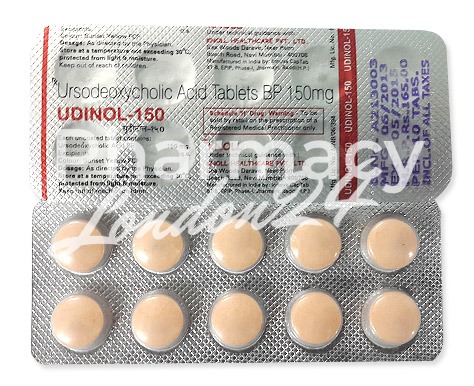
In brief
- Ursodeoxycholic acid can be purchased in our pharmacy, with delivery available throughout the United Kingdom. Products are packaged discreetly and anonymously.
- Ursodeoxycholic acid is used to treat liver diseases, promote gallstone dissolution, and act as a hepatoprotectant. Its mechanisms include inhibiting apoptosis and cholesterol, immunomodulatory effects, and providing cytoprotection.
- The usual dosage for adults varies by condition, typically ranging from 8–15 mg/kg/day.
- The form of administration is available as tablets and capsules.
- The effect of the medication generally begins within a few days, although this may vary by patient.
- The duration of action can last up to 24 hours depending on the dosage and individual metabolism.
- It is advised to avoid alcohol while taking ursodeoxycholic acid to reduce the risk of liver stress.
- The most common side effects include mild gastrointestinal upset, such as diarrhoea, nausea, and abdominal pain.
- Would you like to try ursodeoxycholic acid?
Basic ursodeoxycholic acid information
- INN (international nonproprietary name): ursodeoxycholic acid
- Brand names available in the United Kingdom: Ursofalk, Urdox, Destolit; generic ursodeoxycholic acid
- ATC code: A05AA02
- Forms and dosages: Capsules 250 mg; tablets 150 mg and 500 mg; oral suspension
- Manufacturers in the United Kingdom: Dr. Falk Pharma UK and other manufacturers
- Registration status in the United Kingdom: Licensed by the MHRA; prescription only
- OTC / Rx classification: Prescription-only medicine (POM)
Everyday use and best practices
Ursodeoxycholic acid (known commercially as Ursofalk) is commonly prescribed for various liver conditions and gallstones. Understanding how to use this medication effectively can significantly enhance its benefits.
Morning vs evening dosing
Typically, ursodeoxycholic acid is taken following your doctor's prescription, often split into two to three doses throughout the day. Many patients find it particularly advantageous to take one dose in the morning and another in the evening. This practice helps maintain consistent levels of the medication in the bloodstream, ensuring optimal effectiveness. Sticking to your personal dosing timetable is crucial.
Taking with or without meals
Dietary habits can play a role in the absorption of ursodeoxycholic acid. Taking the medication with food, particularly meals that contain higher fat, may enhance absorption by promoting bile acid secretion. It is best to adhere to the specific advice provided by your healthcare provider, considering your lifestyle and dietary preferences.
Safety priorities
While ursodeoxycholic acid can be effective, it's important to recognise who should avoid this medication to prevent potential complications.
Who should avoid it
Certain individuals may need to steer clear of ursodeoxycholic acid. This includes those with a known hypersensitivity to the drug, individuals with a non-functioning gallbladder, or patients suffering from acute inflammation of the gallbladder or bile ducts or a blocked bile duct. Moreover, severe liver failure is a significant contraindication. It's essential for individuals to consult their healthcare provider before starting this treatment, especially if they have existing health issues or are pregnant or breastfeeding.
Activities to limit
Some patients may experience mild side effects, such as headaches or gastrointestinal discomfort, while taking ursodeoxycholic acid. These side effects can affect daily activities, particularly driving or operating heavy machinery. It’s important to evaluate how the medication impacts your health; if you feel dizzy or unwell, consider restricting these activities until you understand how the treatment affects you. Remember, your pharmacist or doctor can provide guidance tailored to your concerns.
Dosage and adjustments
General regimen (NHS guidance)
For conditions such as primary biliary cholangitis (PBC, formerly called primary biliary cirrhosis), the usual dose is 10–16 mg/kg/day. This dosage should be spread over two to three doses daily to optimise absorption.
When dealing with gallstone dissolution, the recommended dose is around 10 mg/kg/day. Adjustments to the prescribed dosage are often necessary, taking into account personal health responses and tolerability. Healthcare professionals are crucial in this regard, ensuring regular monitoring and evaluations are performed to determine the most effective dosage for each individual.
Special cases (elderly, comorbidities)
In the elderly population, the standard dosing generally remains unchanged unless there are significant comorbidities that impact the liver or kidney function. For those with chronic liver diseases or severe kidney problems, tailored dosing is essential. Monitoring becomes even more critical in these cases to maintain both safety and efficacy of the treatment.
It is wise to assess any reported side effects, as individual responses can vary significantly. Special care and collaborative discussions with healthcare providers ensure that the treatment is appropriately adjusted, optimising outcomes for older patients.
Legal status in the UK
Ursodeoxycholic acid is a prescription-only medicine (POM) in the UK.
What’s inside and how it works
Ingredients overview
Ursodeoxycholic acid is the key active ingredient found in treatments like Ursofalk. This bile acid plays a critical role in enhancing liver function by reducing cholesterol absorption in the intestines. It also promotes the secretion of bile acids, contributing to gallstone dissolution and providing hepatoprotection. Thus, it is effective in treating several liver conditions, making it a vital option for managing liver health.
Mechanism basics explained simply
The way ursodeoxycholic acid works is quite intriguing. Its primary function is to alter the composition of bile, which helps prevent cholesterol from crystallising. This alteration increases the solubility of bile acids, making it easier to dissolve existing gallstones. Moreover, it offers protective benefits for liver cells by reducing apoptosis (cell death) and modulating immune responses. This dual-action mechanism not only supports a healthier liver but also enhances bile flow, offering significant therapeutic advantages.
Main indications
Approved uses
The Medicines and Healthcare products Regulatory Agency (MHRA) acknowledges ursodeoxycholic acid for various treatments. It is primarily indicated for conditions like primary biliary cholangitis (PBC), certain cholestatic liver diseases, and for the dissolution of cholesterol gallstones in patients who are unable to undergo surgery. These approved uses highlight the medication's significance in managing chronic liver issues effectively while promoting overall bile and liver health.
Off-label uses in UK clinics
While there are a few off-label applications for ursodeoxycholic acid, these are not officially approved and should be approached with care. Some clinicians may prescribe it for specific liver function issues or in combination with other therapies tailored to individual patient needs. It’s essential for patients to consult with healthcare professionals before considering off-label use to ensure safety and efficacy. Proper advice and monitoring are crucial to avoid potential complications associated with incorrect usage.
| City | Region | Delivery time |
|---|---|---|
| London | Greater London | 9–21 days |
| Birmingham | West Midlands | 9–21 days |
| Manchester | Greater Manchester | 9–21 days |
| Glasgow | Scotland | 9–21 days |
| Liverpool | Merseyside | 9–21 days |
| Bristol | South West | 9–21 days |
| Sheffield | South Yorkshire | 9–21 days |
| Leeds | West Yorkshire | 9–21 days |
| Newcastle | Tyne and Wear | 9–21 days |
| Nottingham | East Midlands | 9–21 days |
| Cardiff | Wales | 9–21 days |
| Coventry | West Midlands | 9–21 days |
| Belfast | Northern Ireland | 9–21 days |
| Stoke-on-Trent | West Midlands | 9–21 days |
| Southampton | South East | 9–21 days |



