
Tolvaptan
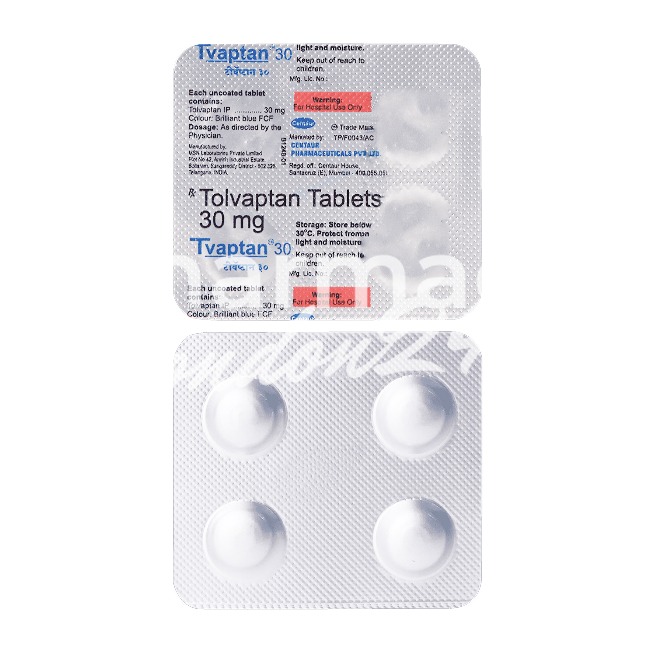
In brief
- Tolvaptan is a prescription-only medicine (POM) in the UK.
- Tolvaptan is used for the management of hyponatraemia and the treatment of autosomal dominant polycystic kidney disease (ADPKD). It acts as a vasopressin V2 receptor antagonist.
- The usual dosage for ADPKD is an initial 45 mg on waking and 15 mg eight hours later, while for hyponatraemia it is typically 15 mg once daily, with titration as necessary up to a maximum of 60 mg per day.
- The form of administration is oral tablets.
- The onset time for tolvaptan is approximately 1–2 hours.
- The duration of action is around 12–24 hours, depending on the dose.
- It is advisable to avoid alcohol while taking tolvaptan.
- The most common side effects include thirst, dry mouth, increased urination, and nausea.
- Would you like to try tolvaptan without a prescription?
Basic tolvaptan information
- INN (international nonproprietary name): Tolvaptan
- Brand names available in the United Kingdom: Jinarc, Samsca, Tolvaptan Accord
- ATC code: C03XA01
- Forms and dosages: Tablets (15 mg, 30 mg, 45 mg, 60 mg, 90 mg)
- Manufacturers in the United Kingdom: Accord Healthcare, Otsuka
- Registration status in the United Kingdom: Prescription-only (Rx)
- OTC / Rx classification: Rx
Everyday use and best practices
Patients taking tolvaptan will find that understanding the optimal dosing schedule is crucial for effective management of conditions like autosomal dominant polycystic kidney disease (ADPKD) and hyponatraemia.
Morning vs evening dosing
For ADPKD, tolvaptan (Jinarc) is typically started as a split dose of 45 mg on waking and 15 mg eight hours later, which may be increased gradually according to tolerance up to 90 mg and 30 mg. The doses should be taken at the times your specialist advises.
Tolvaptan increases urine output, so the later dose is taken at the time advised by your specialist, usually leaving enough hours before bedtime to limit night-time urination. Keep the dosing times consistent from day to day.
Taking with or without meals
Tolvaptan can be taken with or without meals. Taking the first dose at the same time each morning can help you remember your medication. Avoid grapefruit juice, which can raise tolvaptan levels.
Individual experiences may differ, so it is advisable to consult healthcare providers to determine the most suitable approach while taking tolvaptan, especially for those with specific dietary restrictions or health concerns.
Legal status in the UK
Tolvaptan is a prescription-only medicine (POM) in the UK.
What’s inside and how it works
Ingredients overview
Tolvaptan is primarily known for its active ingredient, functioning as a vasopressin V2 receptor antagonist. This unique mechanism plays a crucial role in managing conditions like autosomal dominant polycystic kidney disease (ADPKD) and hyponatraemia. Available in tablet form at various dosages, it is important to note that tolvaptan does not come in injectable or topical forms, simplifying the administration method significantly.
Mechanism basics explained simply
Understanding how tolvaptan works in the body can easily be broken down. By inhibiting vasopressin V2 receptors in the kidneys, it prevents water reabsorption, ultimately reducing fluid overload in patients with kidney disease. This mechanism aids in maintaining a balanced sodium level in the body.
| Action | Effect |
|---|---|
| Inhibition of V2 receptors | Reduced water retention |
| Decreased fluid overload | Improved kidney function |
Main indications
Approved uses (MHRA listing)
Tolvaptan is licensed in the UK for adults with ADPKD (Jinarc), to slow the progression of cyst development and renal insufficiency in patients with chronic kidney disease stage 1 to 3 at the start of treatment with evidence of rapidly progressing disease, and for hyponatraemia secondary to the syndrome of inappropriate antidiuretic hormone secretion (SIADH) (Samsca).
Off-label uses in UK clinics
Healthcare providers may sometimes prescribe tolvaptan for off-label uses, depending on individual patient assessments. This tailored approach ensures that specific health needs are met, particularly when standard treatments might not suffice.
Interaction warnings
Food interactions (alcohol, tea/coffee)
Being aware of dietary interactions with tolvaptan is essential for optimal treatment outcomes. Alcohol consumption should be avoided as it can exacerbate side effects like dehydration and electrolyte imbalances. While tea and coffee may not pose severe risks, moderation is always advised to minimise any potential interactions.
Drug conflicts
Patients should also be cautious about potential drug interactions. Some common medications can conflict with tolvaptan, and keeping an updated medication list is an essential part of treatment management. Suspected side effects can be reported through the Yellow Card scheme. Regular check-ins with healthcare providers can ensure a safe combination of therapies, maximising efficacy while minimising risks.
Alternative choices
| Therapy | Pros | Cons |
|---|---|---|
| Spironolactone | Widely used | Not specific for ADPKD, side effects such as hyperkalaemia |
| Furosemide | Effective diuretic, in wide use | Risk of dehydration, potential electrolyte imbalance |
| Fluid restriction | Simple first-line measure in mild hyponatraemia | Can be hard to sustain; not an ADPKD treatment |
Patients who may not be eligible for tolvaptan should consult their GPs about other NHS-prescribed options. Other treatments may include adjusting dietary sodium intake and careful monitoring of kidney function.
Regulation snapshot
In the UK tolvaptan is marketed as Jinarc (ADPKD) and Samsca (hyponatraemia). The Medicines and Healthcare products Regulatory Agency (MHRA) has classified tolvaptan as prescription-only (Rx), which means it can only be dispensed with a doctor’s prescription.
This prescription-only status has significant implications for patient accessibility. This ensures careful monitoring of use by a specialist.
Frequently asked questions
What is tolvaptan and how does it work?
Tolvaptan is a prescription diuretic used for managing ADPKD and treating hyponatraemia. It works by blocking vasopressin V2 receptors, thus promoting water excretion while conserving sodium.
Are there any side effects associated with tolvaptan?
Common side effects can include increased thirst, dry mouth, fatigue, and increased urination. Most side effects are mild but should be discussed with a healthcare provider.
How long can I take tolvaptan?
For ADPKD, tolvaptan is typically prescribed for long-term use, but duration will vary based on individual needs and responses. For hyponatraemia, it is generally for a shorter term, often less than 30 days.
Can I buy tolvaptan over the counter?
No, tolvaptan is only available through prescription, so consultation with a physician is required to obtain it.
Guidelines for proper use
UK pharmacist counselling style
During a pharmacy consultation, patients can expect a thorough discussion about their treatment plan. Pharmacists play a key role in educating patients about the correct use of tolvaptan, including:
- Dosage instructions
- Adverse effects to look out for
- Importance of adhering to prescribed regimens
The pharmacist will also offer guidance on managing side effects and provide strategies for maintaining open communication with the prescribing doctor.
NHS patient support advice
NHS patients have access to various resources for additional support. This includes:
- Patient information leaflets
- Support groups dedicated to kidney health
- Regular follow-up appointments to monitor kidney function and adjust medications
Encouragement for consistent follow-ups with healthcare providers fosters proactive management of patient health, ensuring needs are met throughout the treatment journey.



