
Sotalol
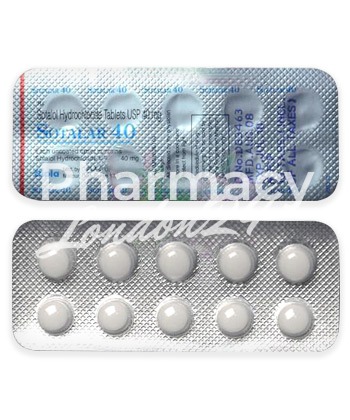
In brief
- Sotalol can be purchased in our pharmacy, with delivery available throughout the United Kingdom.
- Sotalol is used for the management of serious ventricular arrhythmias and the maintenance of sinus rhythm in atrial fibrillation/flutter. It is a Class III antiarrhythmic and non-selective beta-blocker.
- The usual dose of sotalol is 80 mg to 160 mg, typically taken twice daily.
- The form of administration is a tablet.
- The effect of the medication begins within 1 to 2 hours.
- The duration of action is approximately 12 hours.
- It is advised to avoid alcohol while taking sotalol.
- The most common side effect is bradycardia.
- Would you like to try sotalol?
Basic sotalol information
- International nonproprietary name (INN): Sotalol
- Brand names available in the United Kingdom: generic sotalol hydrochloride tablets
- ATC code: C07AA07
- Forms and dosages: Tablets 40 mg, 80 mg, 160 mg
- Manufacturers in the United Kingdom: Various generic manufacturers
- Registration status in the United Kingdom: Licensed by the MHRA; prescription only
- OTC / Rx classification: Prescription-only medicine (POM)
Everyday use and best practices
Understanding how to use sotalol effectively can significantly affect treatment outcomes. Many patients may wonder about the best timing for taking this medication and its interactions with food.
Morning vs evening dosing
The timing of doses can play a crucial role in how well sotalol works. Sotalol is usually taken twice daily, at regular intervals of about 12 hours, so it is worth choosing times that fit your routine. Light-headedness or dizziness can occur, particularly when starting the medication, so it is often recommended to monitor your own reactions closely when establishing a routine. Regular consultations with healthcare professionals can help determine the most effective dosing schedule for each individual.
Taking with or without meals
Food, and milk products in particular, can reduce the absorption of sotalol, so it is usually best taken before meals. Ultimately, consistency in how and when the medication is taken is paramount, as it can lead to better management of the condition being treated. Follow the advice on your prescription label and ask your healthcare provider if you are unsure.
What’s inside and how it works
Ingredients overview
Sotalol is a well-recognised Class III antiarrhythmic and a non-selective beta-blocker, primarily aimed at managing serious ventricular arrhythmias and maintaining sinus rhythm in atrial fibrillation and flutter. The active ingredient, sotalol hydrochloride, is usually formulated in tablet form at doses of 80mg and 160mg.
Common excipients found in sotalol formulations might include:
- Microcrystalline cellulose
- Lactose monohydrate
- Magnesium stearate
These excipients help with the stability of the tablet but are not active ingredients.
Mechanism basics explained simply
Sotalol primarily works by blocking certain electrical signals in the heart, which helps regulate heartbeats. It slows down rapid heart rhythms, allowing the heart to beat in a more controlled manner. In simple terms, sotalol slows down the heart's electrical activity, preventing irregular heartbeats and promoting a steady rhythm.
This mechanism alleviates the symptoms associated with arrhythmias and aids in the effective management of conditions like atrial fibrillation. By controlling these factors, sotalol contributes significantly to improving heart function and enhancing the quality of life for those with heart rhythm disorders.
Main indications
Approved uses (MHRA listing)
The Medicines and Healthcare products Regulatory Agency (MHRA) has approved sotalol for multiple critical indications. Key approved uses include:
- Management of ventricular arrhythmias
- Maintenance of sinus rhythm in patients with atrial fibrillation/flutter
These indications highlight sotalol’s effectiveness in treating serious heart rhythm disorders, making it a crucial medication in cardiac care.
Off-label uses in UK clinics
In addition to its approved uses, specialists occasionally prescribe sotalol off-label, for example for controlling heart rate in certain types of supraventricular tachycardia, under careful monitoring.
Nevertheless, it's essential for patients to consult healthcare professionals for an informed assessment of potential risks and benefits associated with off-label sotalol usage.
Interaction warnings
Food interactions (alcohol, tea/coffee)
Awareness of food interactions is crucial when taking sotalol. Alcohol can exacerbate side effects like dizziness and fatigue, especially during the initial stages of treatment. It's best to limit or monitor alcohol intake closely. Additionally, caffeine-containing beverages such as tea and coffee may have the potential to trigger palpitations or elevate heart rates, counteracting the therapeutic effects of sotalol.
Patients should consider moderating their consumption of these items to ensure optimal treatment outcomes.
Drug conflicts
Potential drug interactions must be considered when taking sotalol. Various medications may conflict with sotalol, leading to adverse effects. Some notable interactions include:
- Other antiarrhythmics and other medicines that prolong the QT interval, which may increase the risk of arrhythmias
- Calcium channel blockers, which can amplify bradycardia
- Antidepressants that affect heart rhythm
Monitoring and potentially adjusting dosages of concurrent medications is crucial when taking sotalol. Always discuss with a healthcare provider before starting new medications to sidestep any dangerous interactions.
Alternative choices
When considering alternatives to sotalol for managing serious arrhythmias, it’s essential to evaluate options with their respective pros and cons. Antiarrhythmic medications that may be suitable substitutes include:
- Pros: Effective for both atrial and ventricular arrhythmias; long half-life allows once-daily dosing.
- Cons: Potentially severe side effects (e.g., pulmonary toxicity); frequent monitoring required.
- Pros: Fewer side effects compared to amiodarone; less risk of toxicity.
- Cons: Not recommended for patients with heart failure; less effective in some arrhythmias.
- Pros: Useful for atrial fibrillation; rapid onset of action.
- Cons: Contraindicated in structural heart disease; may worsen arrhythmias in some cases.
- Pros: Similar to flecainide; effective for ventricular arrhythmias.
- Cons: Can cause significant bradycardia; metabolic interactions possible.
Choosing the right alternative often depends on individual patient circumstances, potential side effects, and existing health conditions.
Regulation snapshot
Sotalol is licensed by the Medicines and Healthcare products Regulatory Agency (MHRA) and is a prescription-only medicine (POM) in the UK.
Sotalol is only available by prescription, and its use is primarily managed in a hospital setting or through specialised clinics. This ensures patients receive the necessary monitoring during treatment, especially considering the risks of adverse effects such as QT prolongation. Prescriber's responsibility includes ensuring that patients understand their treatment and monitoring their progress effectively.
Frequently asked questions
Common questions arise around the use of sotalol in the UK, particularly among patients navigating their treatment options.
Sotalol is used primarily to treat serious ventricular arrhythmias and helps maintain sinus rhythm in patients with atrial fibrillation or flutter.
While side effects can vary, common ones include bradycardia, dizziness, and potential stomach upset. Patients should report any significant or persistent symptoms to their doctor.
Sotalol is a prescription-only medicine in the UK, meaning it is essential to consult a healthcare provider for proper evaluation and prescribing.
Patients typically require regular monitoring every few months, especially initially after beginning the treatment, to assess effectiveness and watch for side effects.
Guidelines for proper use
Effective pharmacist counselling styles and NHS patient support advice play a crucial role in the safe use of sotalol. When new patients are started on sotalol, pharmacists should provide an informative overview of the drug, including its purpose and how to take it.
The following points may help guide discussions:
- Encourage adherence to the prescribed dosage and schedule.
- Stress the importance of regular follow-ups to monitor heart function and side effects.
- Advise on recognising signs of adverse reactions, such as excessive fatigue or dizziness.
Patients should be informed about potential interactions with other medications and advised to consult their pharmacist or healthcare provider before adding anything new to their regimen. Establishing open lines of communication fosters a supportive environment, ensuring patients feel comfortable discussing any concerns.
Delivery information
| City | Region | Delivery Time |
|---|---|---|
| London | Greater London | 9–21 days |
| Birmingham | West Midlands | 9–21 days |
| Manchester | Greater Manchester | 9–21 days |
| Glasgow | Scotland | 9–21 days |
| Bristol | South West | 9–21 days |
| Newcastle | North East | 9–21 days |
| Sheffield | South Yorkshire | 9–21 days |
| Leeds | West Yorkshire | 9–21 days |
| Cardiff | Wales | 9–21 days |
| Coventry | West Midlands | 9–21 days |
| Nottingham | East Midlands | 9–21 days |
| Southampton | South East | 9–21 days |



