
Seroxat
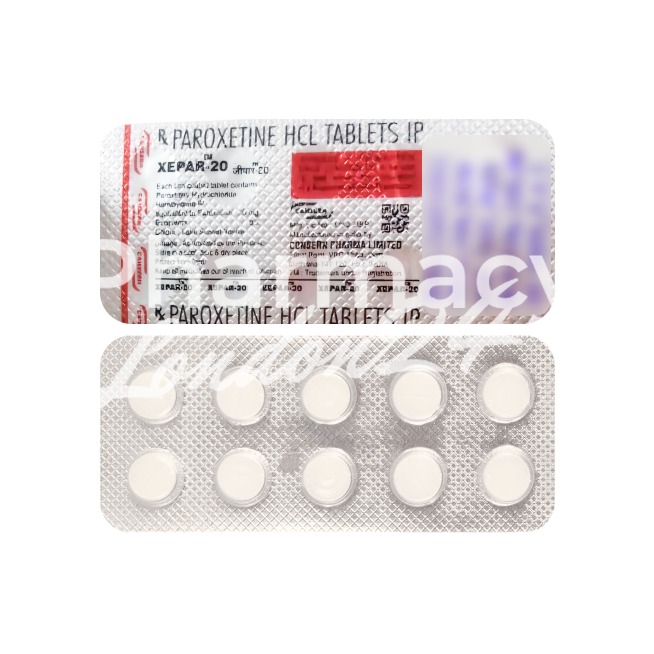
In brief
- In our pharmacy, you can buy Seroxat, with delivery available throughout the United Kingdom. Discreet and anonymous packaging.
- Seroxat is intended for the treatment of major depressive disorder, anxiety disorders, panic disorder, obsessive-compulsive disorder, and post-traumatic stress disorder. The drug is a selective serotonin reuptake inhibitor (SSRI) that increases serotonin levels in the brain.
- The usual starting dose of Seroxat for adults is 20 mg once daily, with a maintenance range of up to 50 mg per day.
- The form of administration is available as tablets or a liquid oral solution.
- The effect of the medication typically begins within 1-2 weeks.
- The duration of action is approximately 24 hours.
- Do not consume alcohol while taking Seroxat, as it may increase the risk of side effects.
- The most common side effect is nausea.
- Would you like to try Seroxat?
Basic Seroxat information
- INN (international nonproprietary name): Paroxetine
- Brand names available in the United Kingdom: Seroxat; generic paroxetine
- ATC code: N06AB05
- Forms and dosages: Tablets 10 mg, 20 mg, 30 mg; oral suspension 10 mg/5 ml
- Manufacturers in the United Kingdom: GSK (GlaxoSmithKline)
- Registration status in the United Kingdom: Prescription-only medicine (POM)
- OTC / Rx classification: Prescription-only medicine (POM)
Everyday use and best practices
Seroxat is usually taken once a day, in the morning with food. Some people prefer taking it in the morning because of the potential for increased energy during the day, whereas others who notice drowsiness may do better with a different time of day; ask your prescriber or pharmacist if you are unsure.
Taking with or without meals
Taking Seroxat with food may reduce the stomach upset that some users experience. Maintaining consistency with your dosing schedule is essential: take your medication at the same time each day. Always consult a healthcare professional about the best practices for your needs, especially regarding interactions with foods and other medications.What’s inside and how it works
The active ingredient of Seroxat is paroxetine, a selective serotonin reuptake inhibitor (SSRI). Available forms include tablets (10 mg, 20 mg and 30 mg) and an oral suspension (10 mg per 5 ml).
Ingredients overview
Seroxat enhances serotonin activity in the brain, which is how it helps in various mental health conditions.
Mechanism basics explained simply
Serotonin is a neurotransmitter crucial for mood regulation. SSRIs block the reabsorption (or reuptake) of serotonin in the brain, increasing its levels in the synaptic space. This boost helps elevate mood and alleviate symptoms associated with conditions like depression and anxiety.
Main indications
Seroxat is licensed in the UK for:
- Major depressive disorder (MDD)
- Panic disorder
- Generalised anxiety disorder
- Social anxiety disorder
- Obsessive-compulsive disorder (OCD)
- Post-traumatic stress disorder (PTSD)
Aside from its approved uses, some practitioners may prescribe Seroxat for off-label purposes, such as treating chronic pain or sexual dysfunction. However, it’s crucial to consult a healthcare professional for proper guidance before starting any off-label use.
Interaction warnings
Certain food and beverages can affect the efficacy of Seroxat. Consuming alcohol may exacerbate side effects like drowsiness or sedation.
Food interactions
It's best to limit or avoid combining Seroxat with these substances to maintain its therapeutic benefits. Alcohol, particularly, should be taken with caution.
Drug conflicts
When taking Seroxat, some drugs can cause harmful interactions. Notably, combining it with MAO inhibitors or thioridazine can lead to serious side effects. When SSRIs are paired with other medications affecting serotonin levels, patients may face an increased risk of serotonin syndrome. Suspected side effects can be reported through the Yellow Card scheme.
Alternative choices
While Seroxat has its benefits, there are alternative options available through the NHS. Common prescriptions include:
- Sertraline (Lustral)
- Fluoxetine (Prozac)
- Citalopram (Cipramil)
- Duloxetine (Cymbalta)
Each of these medications has its own advantages and disadvantages, so healthcare providers should discuss the options and tailor the treatment plan to the individual patient.
Regulation snapshot
The MHRA (Medicines and Healthcare products Regulatory Agency) plays a key role in ensuring that medications like Seroxat (paroxetine) meet safety and efficacy standards before they reach UK patients. Seroxat is a prescription-only medicine (POM).
Prescribing Seroxat is typically initiated after thorough assessments of conditions like major depressive disorder, anxiety disorders, and others. The NHS places emphasis on tailored prescriptions, weighing the benefits against potential side effects.
Doctors can prescribe Seroxat while adhering to guidelines on dosage and treatment duration, which are carefully monitored by the MHRA. This ensures that patients using Seroxat for conditions such as Generalised Anxiety Disorder (GAD) or Panic Disorder receive comprehensive care within a regulated framework.
Frequently asked questions
Patients often express concerns about medications like Seroxat, particularly regarding dependency and long-term effects. Here are some common questions:
- Is Seroxat addictive?
- What are the long-term effects?
- Can I stop taking Seroxat suddenly?
Seroxat is not addictive in the usual sense, but it can lead to physical dependence and withdrawal symptoms if stopped suddenly.
Long-term use may lead to side effects such as weight changes and sexual dysfunction, which should be discussed with a healthcare provider.
Discontinuation should be gradual, as stopping suddenly may lead to withdrawal symptoms.
Consulting with a healthcare professional is vital for personalised advice regarding any concerns about Seroxat.
Guidelines for proper use
Pharmacists play a crucial role as educators and support for patients using Seroxat. They typically cover critical points including:
- Correct dosage and administration methods
- Potential side effects and how to manage them
- Importance of adherence to prescribed regimen
- Advice on lifestyle changes to complement treatment
Patients are also encouraged to actively engage with healthcare teams to address any concerns during their treatment journey. In addition to pharmacies, the NHS provides a range of resources and support services for those dealing with mental health conditions. These include:
- Psychological therapies: Referral to talking therapies can be essential for some patients.
- Helplines and support groups: Connecting with others or finding professional help is beneficial.
- Online resources: The NHS website provides information on managing mental health and on medicines.
City delivery information
| City | Region | Delivery Time |
|---|---|---|
| London | Greater London | 9–21 days |
| Birmingham | West Midlands | 9–21 days |
| Manchester | Greater Manchester | 9–21 days |
| Bristol | South West | 9–21 days |
| Liverpool | Merseyside | 9–21 days |
| Sheffield | South Yorkshire | 9–21 days |
| Leeds | West Yorkshire | 9–21 days |
| Glasgow | Scotland | 9–21 days |
| Edinburgh | Scotland | 9–21 days |
| Cardiff | Wales | 9–21 days |
| Nottingham | East Midlands | 9–21 days |
| Southampton | South East | 9–21 days |
| Belfast | Northern Ireland | 9–21 days |
| Newcastle | Tyne and Wear | 9–21 days |



