
Seroquel
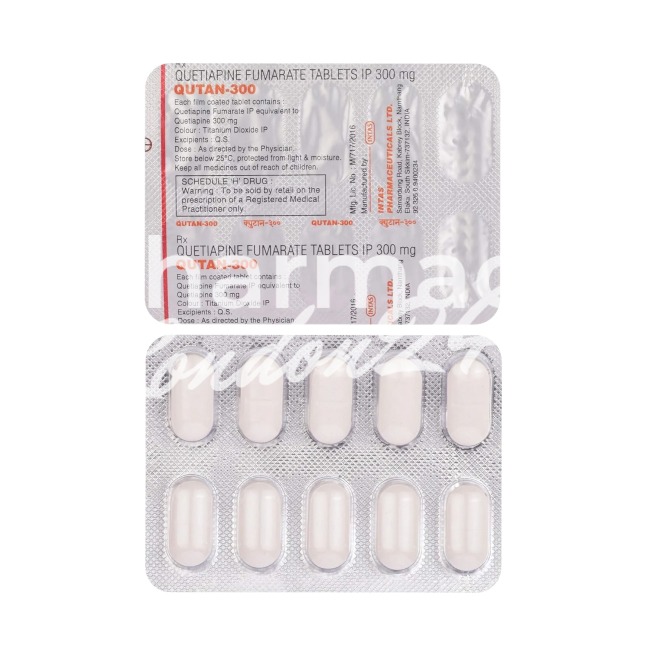
In brief
- Seroquel can be purchased in our pharmacy, with delivery available throughout the United Kingdom.
- Seroquel is used for the treatment of schizophrenia, bipolar disorder, and as an adjunct in major depressive disorder. Its mechanism of action is as an atypical (second-generation) antipsychotic.
- The usual dosage for Seroquel is between 25 mg and 750 mg daily, depending on the condition being treated.
- The form of administration is a tablet, available in both immediate-release and extended-release formulations.
- It is advised to avoid alcohol while taking Seroquel due to the risk of increased sedation.
- The most common side effect is drowsiness or sedation.
- Would you like to try Seroquel?
Basic Seroquel information
- INN (international nonproprietary name): Quetiapine
- Brand names available in the United Kingdom: Seroquel and Seroquel XL; generic quetiapine
- ATC code: N05AH04
- Forms and dosages: Immediate-release tablets 25 mg, 100 mg, 150 mg, 200 mg, 300 mg; prolonged-release tablets (Seroquel XL) 50 mg, 150 mg, 200 mg, 300 mg, 400 mg
- Manufacturers in the United Kingdom: AstraZeneca and generic manufacturers
- Registration status in the United Kingdom: Prescription-only medicine (POM)
- OTC / Rx classification: Prescription-only medicine (POM)
Morning vs evening dosing
Choosing when to take Seroquel can have a significant impact on its effectiveness and patient comfort. Patients often have varying needs regarding their dosing schedule, and this can influence the choice between a Seroquel morning dose or an evening dose.- For those experiencing insomnia or who benefit from its sedative effects, taking Seroquel at night is generally recommended.
- Alternatively, individuals managing symptoms during daytime may find a morning dosing schedule more beneficial.
Taking with or without meals
Consistency is key when it comes to taking Seroquel, especially concerning meals. Patients can take Seroquel with or without food, but many find that taking it with meals reduces stomach upset. Given a common UK diet rich in carbohydrates, it makes sense that some would prefer following a meal-based routine to mitigate side effects.- It is prudent to avoid high-fat meals, as these may affect the absorption of the medication, leading to less effectiveness.
Who should avoid it
Seroquel is not suitable for everyone, and certain populations must exercise caution. According to the MHRA guidelines, individuals known to have a hypersensitivity to quetiapine or any component of Seroquel should avoid its use. Moreover, there are populations that require additional scrutiny:- Those with dementia-related psychosis should not be prescribed Seroquel due to an increased risk of mortality.
- Patients who suffer from severe liver impairment or cardiovascular issues may also fall into this category.
Activities to limit
Safety should always be a priority when taking Seroquel. Due to its sedative properties, patients may experience drowsiness, particularly when starting treatment or after changes in dosage. To ensure personal safety:- Patients are advised to refrain from driving or operating heavy machinery until they clearly understand how Seroquel affects their alertness.
- Keeping an open line of communication with healthcare professionals allows for tailored advice on how to manage daily activities while using the medication.
General regimen
Following NHS guidance will assist in understanding initial dosing for Seroquel. Typically, adults starting on Seroquel for schizophrenia may begin with a dose of 25 mg twice daily. Gradual adjustments are common, as patients may peak at a target dose of 300–400 mg depending on individual tolerance and symptom relief.- Regular reviews are necessary to evaluate patient responses and ensure optimal dosing is maintained.
Special cases
Elderly patients or those with additional health conditions demand careful management when using Seroquel. Starting with lower doses, such as 25 mg, is often recommended for sensitive populations.- These individuals should have more frequent evaluations to assess tolerance and make necessary adjustments.
Legal status in the UK
Seroquel is a prescription-only medicine (POM) in the UK.
What’s inside and how it works
Ingredients overview
Seroquel, with the active ingredient quetiapine, belongs to the atypical antipsychotic class. It is available as immediate-release tablets (25 mg, 100 mg, 150 mg, 200 mg and 300 mg) and as prolonged-release tablets (Seroquel XL: 50 mg, 150 mg, 200 mg, 300 mg and 400 mg). Inactive ingredients may differ by manufacturer. Commonly found substances include lactose, starch, and magnesium stearate. This knowledge is crucial as it helps patients identify potential allergens or sensitivities, promoting informed medication use.
Mechanism basics explained simply
Seroquel primarily modulates brain neurotransmitters, focusing on serotonin and dopamine. By blocking certain receptors, it effectively reduces symptoms associated with schizophrenia and bipolar disorder, addressing hallucinations and mood instability. This helps to stabilise mood swings and to treat psychotic episodes.
Main indications
Approved uses
Quetiapine is licensed in the UK for schizophrenia, manic and depressive episodes of bipolar disorder, and (as the prolonged-release form) as add-on treatment in major depressive disorder.
Off-label uses in UK clinics
Beyond its approved indications, Seroquel is frequently prescribed off-label in UK clinics for various conditions. Some healthcare practitioners may recommend it for anxiety or insomnia, or in patients with post-traumatic stress disorder (PTSD). When prescribing off-label, the benefits and risks are carefully evaluated.
Interaction warnings
Food interactions
Patients taking Seroquel should be mindful of dietary choices, especially regarding alcohol and caffeinated beverages. Alcohol can heighten sedation effects, impairing cognitive function and motor skills, so it's wise to limit or avoid it altogether. A discussion with healthcare providers about dietary habits can optimise treatment outcomes while ensuring safety throughout the medication regimen.
Drug conflicts
Seroquel also has potential interactions with several medications, including antidepressants, antihypertensives, and antihistamines, which may heighten the risk of adverse effects. Suspected side effects can be reported through the Yellow Card scheme.
Alternative choices
NHS prescribing alternatives
When exploring alternatives to Seroquel, other medications such as olanzapine and aripiprazole can be considered for similar conditions. Each of these options has a distinct side effect profile, so the choice should be made with a healthcare provider.
Regulation snapshot
MHRA approval and NHS prescribing framework
Seroquel, known by its active ingredient quetiapine, is regulated by the Medicines and Healthcare products Regulatory Agency (MHRA) in the UK. This underscores the critical need for monitoring its use among patients. The NHS prescribing framework facilitates Seroquel availability through healthcare providers, ensuring responsible prescribing practices are adhered to.
Each patient must undergo comprehensive assessments before starting treatment, followed by continual follow-ups to optimise their therapeutic journey and mitigate risks associated with Seroquel use. Clinicians should exercise caution to avoid potential drug interactions and adequately address any questions patients might have during the treatment process.
Frequently asked questions
Common UK patient questions
Common questions about Seroquel:
- Can I take Seroquel and Ritalin together? Co-administration should be approached with caution; always consult your healthcare provider.
- What happens if I miss a dose? Take it as soon as you remember unless it's almost time for your next scheduled dose.
- Does Seroquel cause weight gain? Yes, weight gain is a prevalent side effect. Engaging in lifestyle modifications can help manage this.
Guidelines for proper use
UK pharmacist counselling style
Pharmacists are pivotal in counselling patients prescribed Seroquel. Attention should be placed on:
- The importance of adhering to prescribed dosages.
- Potential side effects, such as drowsiness and weight gain.
- Encouraging patients to monitor their health, especially metabolic indicators.
Promoting open communication with healthcare providers enhances treatment effectiveness.
NHS patient support advice
The NHS offers invaluable resources for patients using Seroquel, including helplines and mental health support services. Patients are encouraged to adopt coping strategies for managing side effects like drowsiness and weight gain, aiding in effective long-term treatment. Continuous support extends to promoting wellness activities like:
- Regular exercise
- Healthy eating
Delivery information
| City | Region | Delivery Time |
|---|---|---|
| London | Greater London | 9–21 days |
| Birmingham | West Midlands | 9–21 days |
| Manchester | North West | 9–21 days |
| Glasgow | Scotland | 9–21 days |
| Newcastle | North East | 9–21 days |
| Leeds | Yorkshire | 9–21 days |
| Bristol | South West | 9–21 days |
| Sheffield | Yorkshire | 9–21 days |
| Cardiff | Wales | 9–21 days |
| Coventry | West Midlands | 9–21 days |
| Nottingham | East Midlands | 9–21 days |
| Southampton | South East | 9–21 days |
| Reading | South East | 9–21 days |



