
Priligy
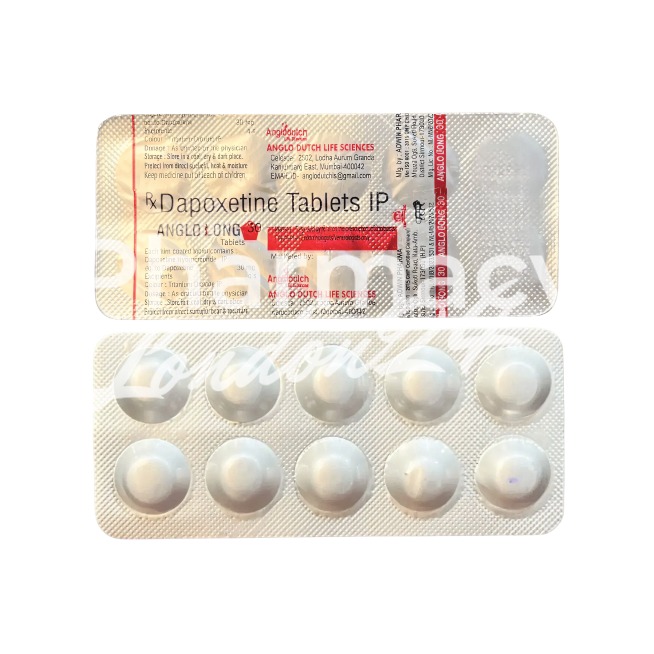
In brief
- Priligy is a prescription-only medicine (POM) in the UK.
- Priligy is used for the treatment of premature ejaculation (PE) in men. The drug works as a selective serotonin reuptake inhibitor (SSRI), helping to delay ejaculation.
- The usual dose of Priligy is 30 mg taken as needed 1–3 hours before sexual activity, with a maximum of 60 mg, no more than once in 24 hours.
- The form of administration is a film-coated tablet.
- It is advised not to consume alcohol while using Priligy.
- The most common side effect is dizziness.
- Would you like to try Priligy without a prescription?
Basic Priligy information
- INN (international nonproprietary name): Dapoxetine
- Brand names available in the United Kingdom: Priligy
- ATC code: G04BX14
- Forms and dosages: Film-coated tablets 30 mg and 60 mg
- Manufacturers in the United Kingdom: Menarini Group
- Registration status in the United Kingdom: Prescription-only medicine (POM); licensed by the MHRA for premature ejaculation in men aged 18–64 years
- OTC / Rx classification: Prescription-only medicine (POM)
Everyday use and best practices
Priligy is taken as needed, not every day. The time of day does not matter; what matters is timing the dose to the planned sexual activity.
Priligy should be taken 1 to 3 hours before anticipated sexual activity, and no more than once in 24 hours.
Taking with or without meals
Priligy can be taken with or without food. Swallow the tablet whole with a full glass of water. If you plan to take a dose before a meal, take it 1 to 3 hours before sexual activity as usual.
Safety priorities
Certain individuals must exercise caution or avoid Priligy altogether.
Who should avoid it (MHRA warnings)
Absolute contraindications include:
- Significant heart conditions, such as heart failure or arrhythmia
- Severe liver impairment
- Allergic reactions to dapoxetine or its components
- Concurrent use of specific antidepressants, including MAO inhibitors
Relative contraindications necessitate careful monitoring, particularly for individuals with mild renal or hepatic impairment and a history of orthostatic hypotension or seizure disorders.
Activities to limit (driving, work safety)
Side effects such as dizziness can impair the ability to drive or operate heavy machinery. Users are advised to:
- Assess their tolerance after dosing before engaging in these activities.
- Inform employers or supervisors if they experience any side effects that may affect job performance.
Dosage and adjustments
General regimen (NHS guidance)
The standard starting dose for Priligy is 30 mg, taken as needed, with the potential to increase to 60 mg based on individual response. It’s crucial to only take Priligy once within a 24-hour period.
A healthcare professional will tailor the treatment to your specific needs.
Special cases (elderly, comorbidities)
Caution is advised for specific populations, such as the elderly or those with comorbidities. Adjustments may be necessary:
- For patients over 65, dosing should be approached conservatively due to increased risk of adverse effects.
- Those with concurrent health issues, particularly liver or kidney concerns, should consult with a healthcare provider to ensure safety and proper dosing.
What’s inside and how it works
Ingredients overview
Dapoxetine is the active ingredient in Priligy, marketed in doses of 30 mg and 60 mg in film-coated tablet form. This medication is used for premature ejaculation (PE) in men aged 18 to 64. The tablets also contain excipients, such as binders and fillers, that ensure the tablet's stability and ease of swallowing.
Mechanism basics explained simply
Dapoxetine functions in the body by inhibiting the reuptake of serotonin, a neurotransmitter that regulates mood and anxiety. By increasing serotonin levels in the synapses, Dapoxetine lengthens the time before ejaculation occurs. Taking Priligy 1 to 3 hours before sexual activity allows it to reach effective levels in the bloodstream.
Main indications
Approved uses (MHRA listing)
Priligy is licensed by the MHRA for the treatment of premature ejaculation in men aged 18 to 64.
Off-label uses in UK clinics
Any use outside the licensed indication carries a mix of potential benefits and risks and is a decision for the prescriber. Always consult a healthcare professional before pursuing it.
Interaction warnings
Food interactions
While on Dapoxetine, it’s advisable to avoid alcohol as it can exacerbate side effects like dizziness or drowsiness. Tea and coffee have no specific interaction with Priligy, but high caffeine intake may add to jitteriness.
Drug conflicts
Dapoxetine may interact with certain medicines. Those that could cause problems include other serotonergic medicines (including SSRIs and MAO inhibitors), strong CYP3A4 inhibitors, and PDE5 inhibitors at higher doses. Consult a healthcare professional before combining dapoxetine with other medicines.
Alternative choices
NHS prescribing alternatives
| Alternative treatment | Pros | Cons |
|---|---|---|
| SSRIs (e.g., Paroxetine, Sertraline) | Effective for PE; may help with anxiety | Longer onset; may cause side effects like fatigue |
| Tramadol | Works as pain relief; off-label usage | Risk of dependency; not primarily for PE |
| Local Anaesthetic Sprays | Quick application; targets specific areas | Short duration of effect; may cause numbness |
Weigh these options carefully and discuss them with a healthcare provider.
Regulation snapshot
The regulatory approval process in the UK involves the Medicines and Healthcare products Regulatory Agency (MHRA), which is responsible for ensuring that medicines like Priligy (dapoxetine) are safe and effective. Priligy is licensed for the treatment of premature ejaculation in men aged 18–64, and it is a prescription-only medicine (POM) in the UK.
Frequently asked questions
Common questions about Priligy:
- What is Priligy used for? Priligy is primarily used to treat premature ejaculation in men.
- How long does it take for Priligy to work? Users typically find it effective 1-3 hours after taking the dose.
- Can I take Priligy with other medications? It’s crucial to consult with a healthcare provider, but certain medications can interact with Priligy.
- Is Priligy available over the counter? No. In the UK, Priligy is a prescription-only medicine.
Guidelines for proper use
UK pharmacist counselling style
Pharmacist counselling on Priligy should emphasise key usage guidelines:
- Explain the importance of taking the medication 1–3 hours before anticipated sexual activity.
- Encourage open discussions about potential side effects, such as dizziness or nausea.
- Assist in addressing any concerns regarding drug interactions.
Patients should feel free to ask their pharmacy team questions about how to use Priligy.
NHS patient support advice
Support available to patients using Priligy includes:
- Access to pharmacists for medication-related queries.
- Follow-up consultations to adjust treatment plans if necessary.
- Educational materials accessible through NHS platforms.
City delivery times for Priligy
| City | Region | Delivery Time |
|---|---|---|
| London | Greater London | 9–21 days |
| Birmingham | West Midlands | 9–21 days |
| Manchester | North West | 9–21 days |
| Glasgow | Scotland | 9–21 days |
| Leeds | West Yorkshire | 9–21 days |
| Bristol | South West | 9–21 days |
| Sheffield | South Yorkshire | 9–21 days |
| Liverpool | North West | 9–21 days |
| Newcastle | North East | 9–21 days |
| Brighton | South East | 9–21 days |
| Coventry | West Midlands | 9–21 days |
| Nottingham | East Midlands | 9–21 days |
| Cardiff | Wales | 9–21 days |
| Stoke-on-Trent | West Midlands | 9–21 days |



