
Ondansetron
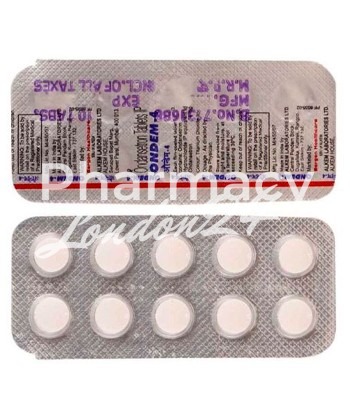
In stock
4mg · 8mg
from 44,97 £
In brief
- In our pharmacy, you can buy Ondansetron without a prescription, with delivery in 9–21 days throughout the United Kingdom. Discreet and anonymous packaging.
- Ondansetron is used for the prevention of nausea and vomiting associated with chemotherapy, radiotherapy, and surgery. It works as a selective 5-HT3 receptor antagonist.
- The usual dose of ondansetron is 8 mg to be taken 30 minutes before the start of chemotherapy or radiotherapy, and then every 12 hours for up to 2 days, if necessary.
- The form of administration is an oral tablet or an injection.
- The effect of the medication begins within 30 minutes after administration.
- The duration of action is approximately 8 hours.
- Alcohol consumption is not recommended while taking ondansetron.
- The most common side effect is headache.
- Would you like to try Ondansetron without a prescription?
Basic ondansetron information
- INN (international nonproprietary name): Ondansetron
- Brand names available in the United Kingdom: Zofran, generic ondansetron
- ATC code: A04AA01
- Forms and dosages: Tablets (4mg, 8mg), Oral Solution (4mg/5ml), Injection
- Manufacturers in the United Kingdom: Various generic manufacturers
- Registration status in the United Kingdom: MHRA-licensed
- OTC / Rx classification: Prescription-only medicine (POM)
Everyday use and best practices
Finding the right timing for taking ondansetron can significantly impact its effectiveness. The dosing can usually be tailored to individual needs, taking into account whether it is more beneficial to take it in the morning or evening. Some individuals find it effective to take ondansetron before meals to prevent nausea that may occur with eating, particularly useful for those experiencing nausea during the day. For others, especially those who may experience nausea at night or have conditions that cause vomiting, evening dosing may be preferred. Guidance from the NHS suggests following the prescribing physician's recommendations for optimal timing while considering personal habits.
Taking with or without meals
When it comes to food, ondansetron typically does not have strict requirements regarding its intake. However, patients are often advised to take it as prescribed, which may include taking it either with or without food, depending on personal tolerance and individual advice from healthcare providers. Ondansetron's flexibility concerning meal timing may aid compliance and ease of use. This adaptability can be particularly beneficial for individuals who need it for situations arising from conditions like chemotherapy or postoperative nausea. Furthermore, if patients are consuming alcohol, it is advisable to avoid it while taking ondansetron, as alcohol can worsen nausea and general wellbeing, although it is not strictly contraindicated. Therefore, understanding personal eating habits can ensure the effective use of ondansetron, maximising its benefits while minimising potential side effects.
What’s inside and how it works
Ingredients overview
Ondansetron's active compound is ondansetron hydrochloride, with the common available strengths being 4 mg and 8 mg tablets. The tablets also contain inactive ingredients; check the patient information leaflet if you have an intolerance to any excipient.
Mechanism basics explained simply
The way ondansetron works is straightforward. It primarily acts on specific serotonin receptors (5-HT3 receptors) in the brain and gastrointestinal tract to block the action of serotonin, a chemical that triggers nausea and vomiting. By inhibiting these receptors, ondansetron effectively prevents the feelings of nausea associated with chemotherapy, surgery, and other medical conditions.
Main indications
Approved uses (MHRA listing)
According to the Medicines and Healthcare products Regulatory Agency (MHRA), ondansetron is approved for treating nausea and vomiting caused by chemotherapy, radiotherapy, and surgery. Its effectiveness has made it a widely used option for patients requiring management of severe nausea, including those undergoing treatment for cancer or experiencing post-operative nausea.
Off-label uses in UK clinics
Clinically, ondansetron is sometimes prescribed off-label for various conditions. These may include use for nausea due to gastrointestinal infections, such as viral gastroenteritis, and in managing vomiting associated with migraines. Additionally, some healthcare professionals may recommend ondansetron for pregnant women experiencing hyperemesis gravidarum or severe morning sickness, despite it being subject to careful consideration.
Interaction warnings
Food interactions (alcohol, tea/coffee)
While ondansetron is generally safe, caution is advised when consuming alcohol. Alcohol can worsen nausea and vomiting, so it is generally best to avoid it while using ondansetron. Moderate consumption of tea and coffee does not typically interfere with the effectiveness of ondansetron.
Drug conflicts
Drug interactions are also significant to consider. Ondansetron may interact with certain medications, necessitating caution. For instance, combining it with drugs that affect serotonin levels, such as SSRIs (sertraline, citalopram), can increase the risk of serotonin syndrome. If other anti-emetics, such as metoclopramide or prochlorperazine, are prescribed, careful monitoring is necessary as their combined effects may lead to adverse reactions. Consulting medical professionals about all concurrent medications is crucial when using ondansetron.
Alternative choices
While ondansetron is widely used, other medications can be considered as alternatives on the NHS prescribing list. Here's a quick comparison:
- Prochlorperazine: Effective for nausea, but may cause sedation.
- Cyclizine: Good for motion sickness; side effects include dizziness.
- Metoclopramide: Useful for gastric stasis; can affect mood when used long-term.
- Dexamethasone: Effective for chemotherapy-induced nausea; potential for increased appetite.
Each alternative has its pros and cons. Discussing with a healthcare provider can help tailor the choice to individual needs.
Regulation snapshot
Ondansetron is regulated by the Medicines and Healthcare products Regulatory Agency (MHRA) in the UK. The drug is approved for use in multiple formulations, including oral tablets, oral solution, and injectable forms. Its inclusion in the National Institute for Health and Care Excellence (NICE) guidelines further solidifies its standing as an essential antiemetic. This regulatory status ensures that ondansetron is available through NHS prescribers, emphasising its pivotal role in managing nausea and vomiting related to chemotherapy and post-operative recovery.
Frequently asked questions
Can ondansetron be taken on an empty stomach?
Yes, it can be taken without food, but some may experience fewer side effects when taken with food.
Yes, it can be taken without food, but some may experience fewer side effects when taken with food.
Is ondansetron safe during pregnancy?
While ondansetron is sometimes prescribed for nausea in pregnancy, especially hyperemesis gravidarum, it should always be discussed with a healthcare provider.
While ondansetron is sometimes prescribed for nausea in pregnancy, especially hyperemesis gravidarum, it should always be discussed with a healthcare provider.
How quickly does ondansetron work?
Generally, it starts to work within 30 minutes to an hour, providing relief for nausea and vomiting.
Generally, it starts to work within 30 minutes to an hour, providing relief for nausea and vomiting.
Can adults use ondansetron for children?
Dosages must be tailored for children based on their weight and age, and medical advice is crucial in these cases.
Dosages must be tailored for children based on their weight and age, and medical advice is crucial in these cases.
Guidelines for proper use
Patients starting ondansetron therapy should receive clear counselling from pharmacists:
- Dosage understanding: Ensure comprehension of how much to take and when.
- Potential side effects: Discuss what to expect, including headache, constipation or flushing.
- Alcohol intake: Advise avoiding alcohol, as it can worsen nausea and vomiting.
Furthermore, communicating that any missed doses should be taken as soon as they remember, unless close to the next dose, can prevent double dosing. Regular follow-ups are essential, especially for ongoing treatments. NHS support resources are available for further assistance.
| City | Region | Delivery Time |
|---|---|---|
| London | London | 9–21 days |
| Birmingham | West Midlands | 9–21 days |
| Manchester | North West | 9–21 days |
| Glasgow | Scotland | 9–21 days |
| Liverpool | North West | 9–21 days |
| Newcastle | North East | 9–21 days |
| Sheffield | South Yorkshire | 9–21 days |
| Bristol | South West | 9–21 days |
| Nottingham | East Midlands | 9–21 days |
| Leeds | West Yorkshire | 9–21 days |
| Cardiff | Wales | 9–21 days |
| Coventry | West Midlands | 9–21 days |
| Stoke-on-Trent | West Midlands | 9–21 days |
| Southampton | South East | 9–21 days |
| Norwich | East Anglia | 9–21 days |



