
Lithium
In brief
- Lithium can be purchased in our pharmacy without a prescription, with delivery available throughout the United Kingdom. Discreet and anonymous packaging.
- Lithium is used for the treatment of bipolar disorder and acute mania. Its mechanism of action involves stabilising mood by altering neurotransmitter levels in the brain.
- The dose of lithium depends on the brand and is adjusted to the blood lithium level, which is checked regularly.
- The form of administration is a tablet or an oral liquid.
- Lithium can take one to two weeks, or longer, to take full effect.
- Alcohol consumption should be avoided while taking lithium due to the increased risk of side effects and toxicity.
- The most common side effect of lithium is gastrointestinal disturbances such as nausea and diarrhoea.
- Would you like to try lithium without a prescription?
Basic lithium information
- INN (international nonproprietary name): Lithium (as lithium carbonate or lithium citrate)
- Brand names available in the United Kingdom: Priadel, Camcolit, Liskonum, Li-Liquid; generic lithium
- ATC code: N05AN01
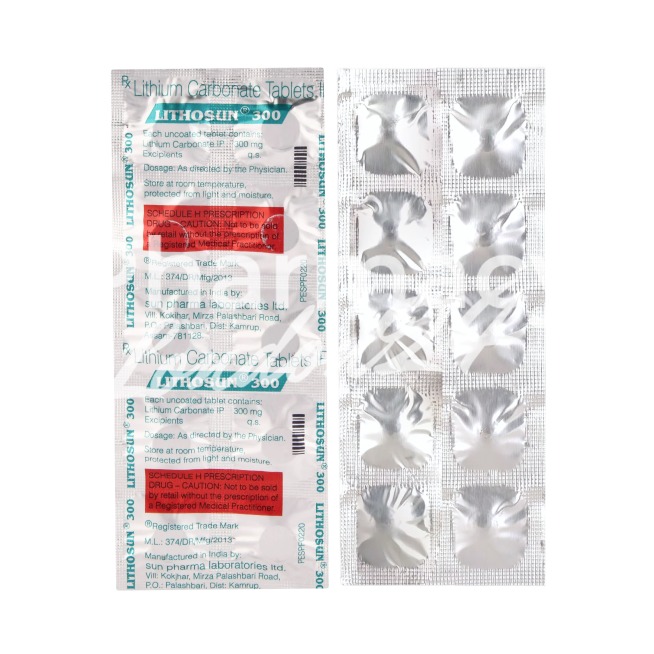
- Forms and dosages: Tablets (lithium carbonate, including modified-release) and oral liquid (lithium citrate); preparations of different brands are not interchangeable
- Manufacturers in the United Kingdom: several manufacturers (brand and generic)
- Registration status in the United Kingdom: Prescription-only medicine (POM)
- OTC / Rx classification: Prescription-only medicine (POM)
Everyday use and best practices
When it comes to lithium, understanding how to manage dosing in daily life is vital. Consistency is key to achieving maximum efficacy. Lithium is usually taken once or twice a day, and modified-release tablets are often taken as a single evening dose, because the blood level is checked about 12 hours after the last dose.
- Consider a routine that allows for consistent dosing times.
- Incorporate reminders or alarms to prevent missed doses.
Taking with or without meals
Lithium is usually taken with or after food to reduce stomach upset. Sodium (salt) intake affects lithium blood levels:
- Keep your salt intake and fluid intake consistent from day to day.
- A sudden change to a low-sodium diet can raise lithium levels and increase the risk of toxicity.
- Keep well hydrated, especially in hot weather or during illness.
Safety priorities
Lithium is a powerful medication that is not suitable for everyone. Specific populations are advised against using it, particularly those with significant renal impairment, Addison's disease, untreated hypothyroidism, cardiac rhythm disorders or low sodium levels, and anyone who is hypersensitive to lithium. Lithium is only used in patients with kidney problems under specialist supervision.
Activities to limit (driving, work safety)
Considering the potential side effects of lithium, which can range from tremors to drowsiness, certain activities might be best kept to a minimum. For individuals on lithium, monitoring how the medication affects daily life is crucial, particularly when it comes to driving and other safety-sensitive tasks.
- If experiencing side effects, it’s advisable to refrain from driving until feeling stable.
- At work, consider the requirements for alertness and coordination. Communicating with a supervisor about any necessary adjustments in job responsibilities is essential.
Dosage and adjustments
Lithium doses differ between brands and are adjusted to the blood (serum) lithium level, which is measured regularly by a healthcare professional. The starting dose and the maintenance dose are set by the prescriber according to the brand and the individual response. Some patients, particularly the elderly or those with other health conditions, may require careful adjustments of these dosages to avoid adverse effects while ensuring therapeutic benefits.
Special cases (elderly, comorbidities)
When it comes to the elderly, starting at lower dosages is recommended due to age-related changes in renal function. Likewise, those with comorbid health conditions necessitate a careful approach to dosing, emphasising the need for frequent consultations with healthcare providers to fine-tune their treatment plans. It's critical for these adjustments to be made under medical supervision to maximise safety and efficacy.
Legal status in the UK
Lithium is a prescription-only medicine (POM) in the UK.
What’s inside and how it works
Ingredients overview
The main active ingredients in lithium medications are lithium carbonate and lithium citrate. These compounds are responsible for the mood-stabilising effects attributed to lithium therapy. In addition to the active ingredients, various formulations may contain inactive components such as lactose, starch, and other excipients, which aid in the drug's delivery and absorption.
Mechanism basics explained simply
The pharmacological mechanism of lithium revolves around its ability to modulate neurotransmitters in the brain. Lithium acts on several neurotransmitter systems, including serotonin and noradrenaline, and helps to stabilise mood, reducing the intensity and frequency of manic and depressive episodes.
Main indications
Approved uses (MHRA listing)
Lithium is licensed in the UK for the treatment and prophylaxis of mania, bipolar disorder and recurrent depression, and for the control of aggressive or self-harming behaviour. It is used under the guidance of healthcare professionals.
Off-label uses in UK clinics
Beyond its licensed uses, lithium is sometimes used off-label under specialist supervision, for example in schizoaffective disorder.
Interaction warnings
Food interactions (alcohol, tea/coffee)
Certain foods and substances can create interactions that may affect how lithium works. Caffeine from tea, coffee or energy drinks increases the excretion of lithium, so a sudden change in your intake can alter lithium levels. Alcohol can exacerbate lithium's effects and impair concentration. Patients are advised to monitor their consumption of these items while on lithium therapy.
Drug conflicts
Medications such as diuretics, NSAIDs, ACE inhibitors and angiotensin II receptor blockers may significantly raise lithium levels in the body, potentially leading to toxicity. Therefore, it is vital for patients to maintain open communication with their healthcare providers regarding all medications they are taking. This ensures effective management and reduces the risk of harmful interactions.
Alternative choices
For those seeking options outside lithium for mood disorders, the NHS offers several alternatives. Each has benefits and drawbacks:
- Valproate: Effective for acute mania but may cause weight gain and liver issues; it must not be used in women and girls who could become pregnant unless a pregnancy prevention programme is in place.
- Lamotrigine: Well-tolerated and good for long-term use, though it requires gradual dosage increases.
- Carbamazepine: Useful as a mood stabiliser, but can lead to interactions with other medications.
- Antipsychotics (e.g., quetiapine): Useful in acute episodes, but may have side effects like sedation and metabolic syndrome.
Each alternative has pros and cons that should be carefully considered in consultation with healthcare providers. Regular monitoring is essential regardless of the chosen treatment, ensuring that side effects are swiftly addressed.
Regulation snapshot
Lithium is a prescription-only medicine (POM) in the UK. This highlights the need for careful management and monitoring due to its narrow therapeutic index.
The NHS prescribing framework outlines specific guidelines for lithium usage, ensuring that healthcare professionals carry out regular blood tests to monitor serum levels. Patients must be briefed on the need for ongoing renal and thyroid function assessments, alongside evaluating mood stability. This structured approach balances the therapeutic benefits of lithium against the potential risks, reinforcing the commitment to patient safety within UK healthcare.
Frequently asked questions
What is lithium used for?
Lithium is primarily used for treating bipolar disorder and can help stabilise mood fluctuations.
How can I tell if the dosage is right?
Your healthcare provider will adjust your dosage based on blood tests that measure lithium levels, ensuring they stay within a therapeutic range.
What are the side effects?
Common side effects include nausea, increased thirst, and tremors. Regular check-ups help manage these effects.
Can I suddenly stop taking lithium?
No, discontinuing lithium abruptly can lead to severe mood instability. Always consult your doctor before making changes to your medication.
Guidelines for proper use
Pharmacists play a crucial role in guiding patients on the proper use of lithium. Key guidance includes:
- Adherence to prescribed dosage: Never alter the dose without consulting a healthcare provider.
- Regular monitoring: Blood tests are crucial for ensuring lithium levels remain within a safe range.
- Awareness of symptoms: Be vigilant about any new side effects and report them promptly.
- Avoid dehydration: Stay hydrated, especially during heat or illness to prevent toxicity.
NHS 111 and your pharmacist can give advice on managing lithium treatment.
Delivery information
| City | Region | Delivery Time |
|---|---|---|
| London | Greater London | 9–21 days |
| Birmingham | West Midlands | 9–21 days |
| Manchester | Greater Manchester | 9–21 days |
| Glasgow | Scotland | 9–21 days |
| Leeds | West Yorkshire | 9–21 days |
| Cardiff | Wales | 9–21 days |
| Edinburgh | Scotland | 9–21 days |
| Bristol | South West | 9–21 days |
| Newcastle upon Tyne | Tyne and Wear | 9–21 days |
| Sheffield | South Yorkshire | 9–21 days |
| Nottingham | East Midlands | 9–21 days |
| Liverpool | Merseyside | 9–21 days |



