
Ivermectin
In brief
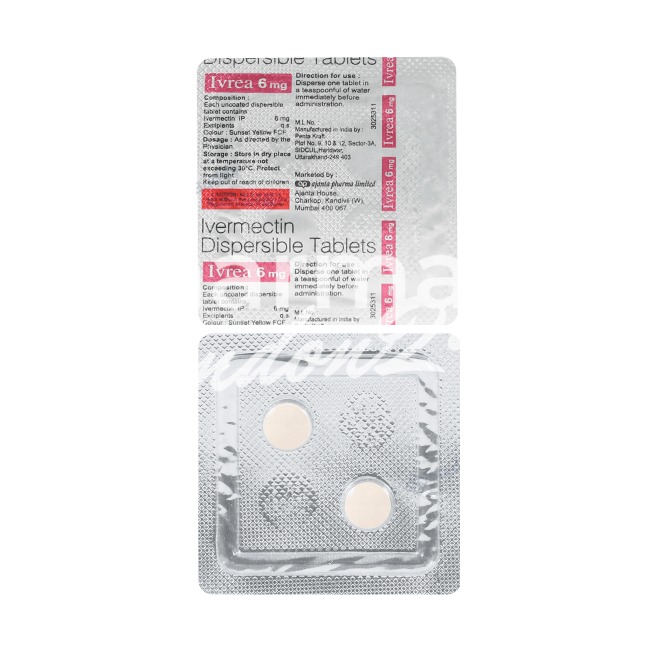
- Ivermectin is stocked by Pharmacy London24 as 3mg tablets (20 to 270 per pack) and as 6mg and 12mg tablets (10 to 100 per pack), and UK delivery takes 9–21 days.
- An antiparasitic, it clears strongyloidiasis (a threadworm-like intestinal infection) and scabies, including crusted scabies that creams alone cannot control.
- Only 3mg is UK-licensed; 6mg and 12mg are not. The amount given is worked out from body weight.
- Children weighing under 15 kg are not usually treated, and people from areas where Loa loa is found should be screened beforehand, since serious reactions are possible.
- It may increase INR in people on warfarin, and a slight temperature, rash or fatigue can appear as parasites die off. It is a UK POM requiring medical supervision.
Basic ivermectin information
- International nonproprietary name (INN): Ivermectin
- Brand names available in the United Kingdom: Stromectol (tablets); Soolantra (cream 1%)
- ATC code: P02CF01
- Forms and dosages: Oral tablets 3 mg; topical cream 1% (10 mg/g)
- Manufacturers in the United Kingdom: MSD (Stromectol); Galderma (Soolantra)
- Registration status in the United Kingdom: Prescription-only medicine (POM)
- OTC / Rx classification: Prescription-only medicine (POM) for oral and topical human use
Everyday use and best practices
Ivermectin is often prescribed based on the specifics of the condition being treated. Dosing at the right time can enhance its efficacy and mitigate potential side effects.
Morning vs evening dosing
Taking ivermectin in line with your daily routine is essential for consistency. For many, morning dosing works best as it can be easily integrated into the daily schedule. However, if side effects such as dizziness or fatigue occur, evening doses may be more appropriate for some individuals. Listen to your body and consult your healthcare provider to determine the most suitable time for you.
Taking with or without meals
Take ivermectin tablets with water, exactly as directed by your prescriber or on the label, and tell your pharmacist if you have stomach upset or nausea after a dose.
Safety priorities
Ensuring safety while using ivermectin is paramount. Various factors influence who should or should not take this medication.
Who should avoid it (MHRA warnings)
Certain people should avoid ivermectin. These include:
- Children weighing less than 15 kg or under 5 years of age
- Pregnant or breastfeeding women, due to limited safety data
- Individuals with known hypersensitivity to ivermectin
Activities to limit (driving, work safety)
Users should be cautious when performing activities that require coordination or alertness, particularly for those on higher doses of ivermectin. Driving or operating heavy machinery is best avoided until you understand how the medication affects you.
Dosage and adjustments
Understanding the appropriate dosing is crucial for the effectiveness of ivermectin treatments.
General regimen (NHS guidance)
Doses depend on the condition being treated. For example, oral ivermectin for scabies is typically 200 mcg/kg, repeated after 7 to 14 days. Always consult with a healthcare provider for precise dosages tailored to individual needs.
Special cases (elderly, comorbidities)
For elderly patients or those with specific chronic conditions, dose adjustments may be required. Older adults may metabolise medications differently, necessitating closer monitoring and potential reductions in dosage to prevent adverse reactions.
What’s inside and how it works
Ingredients overview
Ivermectin formulations consist of both active and inactive ingredients. The primary active ingredient, ivermectin, is a macrocyclic lactone derived from the soil bacterium Streptomyces avermitilis. It is available as 3 mg tablets and as a 1% cream (Soolantra). Inactive ingredients are excipients such as binders and stabilisers.
Mechanism basics explained simply
At a biological level, ivermectin works by binding to specific receptors in the nervous system of parasites. These receptors are primarily chloride channels that open in response to the drug, leading to paralysis and death of the targeted parasites. This mechanism is effective against nematodes and some ectoparasites, such as mites. The action of ivermectin disrupts the normal functioning of the parasites without affecting human cells, which is why it is used to treat conditions like onchocerciasis, strongyloidiasis and scabies.
Main indications
Approved uses (MHRA listing)
In the UK, oral ivermectin is licensed for onchocerciasis and strongyloidiasis and is used for scabies in some treatment protocols. Topical Soolantra 1% cream is licensed for inflammatory lesions of papulopustular rosacea.
Off-label uses in UK clinics
Use outside the licensed indications, such as oral ivermectin for scabies, should be led by a clinician, who will explain the benefits and risks.
Interaction warnings
Food interactions (alcohol, tea/coffee)
Alcohol consumption is not advised while taking ivermectin, as it may increase the risk of side effects. There is no known need to avoid tea or coffee.
Drug conflicts
Ivermectin can increase the effect of warfarin, so the INR should be monitored in patients taking it. Tell your prescriber or pharmacist about all the medicines you take.
Alternative choices
When seeking alternatives to ivermectin for antiparasitic treatment within the NHS framework, several options are available:
- Albendazole: Effective for helminthic infections, but may require multiple doses.
- Mebendazole: Used for threadworm and other intestinal worm infections.
- Praziquantel: Targeted for schistosomiasis and cestode infections with good efficacy.
- Permethrin: Commonly used for topical applications in lice and scabies.
The choice between these options depends on the infection being treated and the patient's needs.
Regulation snapshot
The approval process for ivermectin within the UK is primarily overseen by the Medicines and Healthcare products Regulatory Agency (MHRA). Ivermectin is classified as a prescription-only medicine (POM) in the UK, meaning it can only be obtained with a valid prescription from a healthcare professional. Its licensed uses include onchocerciasis and strongyloidiasis (oral tablets) and rosacea (Soolantra cream).
In the National Health Service (NHS), ivermectin is included in the prescribing framework for certain parasitic infections but is not routinely prescribed as a first-line treatment for other conditions without clear guidelines. Healthcare providers focus on evidence and established protocols when considering ivermectin's use, and patients are advised to consult their GPs for further clarity on its availability and applicability for individual treatment needs.
Frequently asked questions
Here are some common questions about ivermectin:
- Can I get ivermectin over the counter (OTC)? No, ivermectin is not available OTC in the UK. It requires a prescription due to its classification as a POM.
- What does off-label use mean for ivermectin? Off-label use occurs when a medication is prescribed for an unapproved indication. Oral ivermectin for scabies, for example, is used in some treatment protocols, and patients must discuss this with their prescriber first.
- Is there a specific dosage for ivermectin? Dosages can vary depending on the condition being treated. For instance, scabies typically requires a dosage of 200 mcg/kg, whereas topical formulations may have different instructions.
- How can I ensure I'm using ivermectin safely? Always consult a healthcare professional regarding any concerns, follow the prescribed instructions, and report any side effects.
Guidelines for proper use
UK pharmacist counselling style
When discussing ivermectin with a pharmacist, patients can expect tailored advice and support. Pharmacists can provide essential information regarding:
- Dosage and administration
- Potential side effects and interactions
- Monitoring for effectiveness and safety
To enhance consultations, patients should:
- Prepare by making a list of their current medications and any allergies.
- Ask specific questions about their concerns or treatment options.
- Be open about previous treatment experiences with ivermectin or any other medication.
NHS patient support advice
The NHS offers various resources for patients using ivermectin, aimed at promoting safe usage and monitoring. Patients can access:
- The NHS website, which provides information about medications, their uses, and side effects.
- Helplines for immediate assistance regarding medication queries.
For ongoing support, healthcare providers recommend regular follow-ups to assess treatment effectiveness and make any necessary adjustments.
Delivery information
| City | Region | Delivery Time |
|---|---|---|
| London | Greater London | 9–21 days |
| Birmingham | West Midlands | 9–21 days |
| Manchester | North West | 9–21 days |
| Glasgow | Scotland | 9–21 days |
| Leeds | West Yorkshire | 9–21 days |
| Bristol | South West | 9–21 days |
| Cardiff | Wales | 9–21 days |
| Sheffield | South Yorkshire | 9–21 days |
| Newcastle upon Tyne | North East | 9–21 days |
| Nottingham | East Midlands | 9–21 days |
| Gloucester | South West | 9–21 days |
| Bradford | West Yorkshire | 9–21 days |
| Brighton | South East | 9–21 days |



