
Hydroxyzine
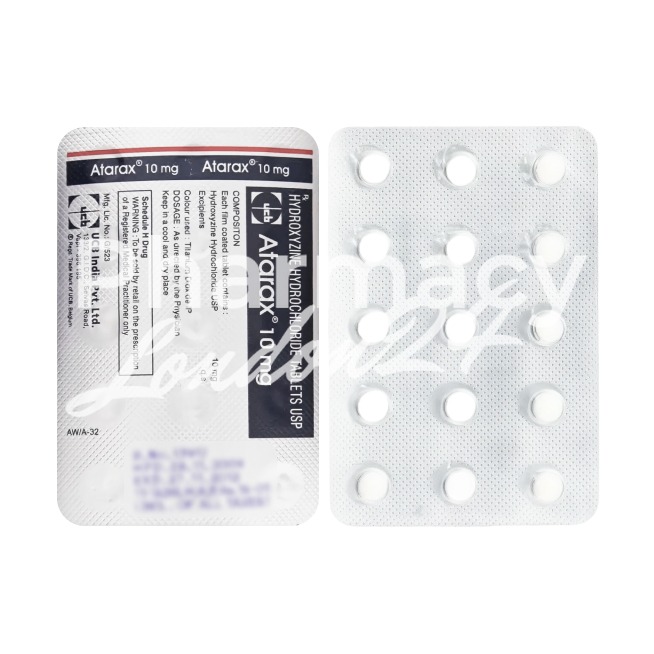
In brief
- In our pharmacy, you can buy hydroxyzine without a prescription, with delivery in 9–21 days throughout the United Kingdom. Discreet and anonymous packaging.
- Hydroxyzine is used for the management of allergies, anxiety, and pruritus. It acts as a first-generation antihistamine blocking histamine receptors.
- The usual dose of hydroxyzine varies: for pruritus, 25 mg at night, increased if needed to 25 mg three to four times a day; for anxiety, 50–100 mg per day.
- The form of administration is tablets or oral solution.
- The effect of the medication begins within 15–30 minutes.
- The duration of action is approximately 4–6 hours.
- Avoid alcohol as it may enhance sedative effects.
- The most common side effect is drowsiness.
- Would you like to try hydroxyzine without a prescription?
Basic hydroxyzine information
- INN (international nonproprietary name): Hydroxyzine
- Brand names available in the United Kingdom: Ucerax; generic hydroxyzine hydrochloride
- ATC code: N05BB01
- Forms and dosages: Tablets 10 mg and 25 mg; oral solution 10 mg/5 ml
- Manufacturers in the United Kingdom: UCB Pharma (Ucerax) and generic manufacturers
- Registration status in the United Kingdom: Prescription-only medicine (POM)
- OTC / Rx classification: Prescription-only medicine (POM)
Everyday use and best practices
The best dosing time depends on the reason for taking hydroxyzine, and on how drowsy it makes you.
Morning vs evening dosing
For anxiety, hydroxyzine is taken in divided doses through the day. For itching (pruritus), a dose is often taken at night because hydroxyzine is sedating, with further doses during the day if needed. Follow the schedule given by your prescriber.
Taking with or without meals
Hydroxyzine can be taken with or without food. Taking it with a light meal may reduce stomach discomfort.
Safety priorities
Who should avoid it
The MHRA (Medicines and Healthcare products Regulatory Agency) advises that hydroxyzine should not be used in people with a known QT prolongation or risk factors for it, porphyria, or hypersensitivity to hydroxyzine. Caution or a lower dose is advised in specific populations, including:
- Elderly individuals, who are more sensitive to side effects (the maximum dose is lower).
- Pregnant women; it is not recommended, particularly in the first trimester.
- Patients with existing health conditions, such as severe liver or kidney dysfunction.
Interactions with other medicines can occur as well, especially those affecting the central nervous system or having sedative properties.
Activities to limit
Hydroxyzine can impact motor skills and cognitive function. Users should be aware of the following recommendations:
- Avoid driving or operating heavy machinery until understanding how the medication affects them.
- Limit potentially dangerous activities that require full concentration.
Dosage and adjustments
General regimen
Usual adult doses include:
- Anxiety: 50 mg daily in divided doses, which may be increased to a maximum of 100 mg daily.
- Pruritus: 25 mg at night, increased if necessary to 25 mg three to four times daily.
Follow your prescriber's recommendations to ensure safety and efficacy.
Special cases
Adjustments in dosage may be necessary for specific groups:
- For elderly patients, a reduced dose (maximum 50 mg daily) is advisable due to increased sensitivity and potential side effects.
- Children often require a weight-based calculation for determining safe dosages.
- Patients with liver or kidney impairments should have their dosages carefully monitored and adjusted accordingly.
What’s inside and how it works
Ingredients overview
Hydroxyzine is a first-generation antihistamine; the active ingredient in UK medicines is hydroxyzine hydrochloride. It blocks histamine receptors in the body, helping to relieve itching and allergic symptoms, and it also has an anxiety-reducing effect. Other ingredients vary between brands and forms (for example sweeteners in the oral solution), so check the patient information leaflet.
Mechanism basics explained simply
Hydroxyzine blocks certain natural substances in the body, like histamine, which plays a significant role in allergic responses. When someone encounters an allergen, histamine release leads to irritation and discomfort. Hydroxyzine steps in to bind these receptors and prevent the ensuing itchiness or swelling. It also acts on the brain to reduce anxiety and promote calmness.
Main indications
Approved uses
Hydroxyzine is licensed in the UK for several uses:
- Anxiety: short-term relief of symptoms of anxiety in adults.
- Pruritus: symptomatic relief of itching, including itching caused by allergies.
- Premedication: used for pre-operative sedation.
Off-label uses in UK clinics
Hydroxyzine is sometimes used off-label, for example to help with sleep in people who struggle with insomnia. Any off-label use is a decision for the prescriber.
Interaction warnings
Food interactions (alcohol, tea/coffee)
Alcohol should be avoided: combining hydroxyzine with alcohol can amplify sedative effects, causing excessive drowsiness and impaired coordination.
Drug conflicts
Important interactions include:
- CNS depressants: when combined with substances like benzodiazepines or opioids, there is an increased risk of respiratory depression and excessive sedation.
- QT-prolonging drugs: caution is advised when taken with other medicines that might affect heart rhythm, especially in susceptible patients.
Alternative choices
Several alternatives to hydroxyzine are available within the NHS.
- Cetirizine: a second-generation antihistamine, less sedating and suitable for allergy relief.
- Chlorphenamine: a first-generation antihistamine, effective but sedating.
- Promethazine: also used for allergies but carries similar sedation risks.
Regulation snapshot
Hydroxyzine is a prescription-only medicine (POM) in the UK, regulated by the MHRA (Medicines and Healthcare products Regulatory Agency), because of its central nervous system effects and associated cardiac risks.
MHRA guidance highlights the risk of QT prolongation, particularly in the elderly and in those taking other QT-prolonging drugs, which is why the maximum daily dose is limited. Prescribers should ensure that patients are informed of potential side effects and of the importance of not exceeding the recommended dose.
Frequently asked questions
Some common questions about hydroxyzine:
- What is the typical dosing for hydroxyzine? Hydroxyzine is commonly prescribed in doses of 10 mg to 25 mg, with a maximum of 100 mg per day for adults. A healthcare professional should tailor doses to individual needs.
- Can hydroxyzine be used long-term? While some use it for prolonged periods, chronic use is generally discouraged due to potential tolerance and side effects. Regular assessment is crucial.
- What are the side effects? Common side effects include drowsiness, dry mouth, and fatigue. Serious risks, although rare, can include cardiac issues like QT prolongation.
For more information, see the NHS website or the BNF (British National Formulary).
Guidelines for proper use
UK pharmacist counselling style
Key points for pharmacist counselling about hydroxyzine include:
- Discussing the purpose of the medication and expected effects.
- Highlighting the importance of adhering to prescribed dosages and timing.
- Encouraging patients to report any adverse effects immediately.
- Providing information on potential interactions, especially with alcohol and other CNS depressants.
NHS patient support advice
Regular follow-up appointments are recommended to review the treatment’s effectiveness and identify any side effects early on. NHS 111 can be called for advice, and the NHS provides resources for mental health support, which can be useful for those using hydroxyzine for anxiety.
Delivery information
| City | Region | Delivery Time |
|---|---|---|
| London | Greater London | 9–21 days |
| Birmingham | West Midlands | 9–21 days |
| Manchester | North West | 9–21 days |
| Glasgow | Scotland | 9–21 days |
| Leeds | Yorkshire | 9–21 days |
| Bristol | South West | 9–21 days |
| Cardiff | Wales | 9–21 days |
| Sheffield | Yorkshire | 9–21 days |
| Coventry | West Midlands | 9–21 days |
| Bradford | Yorkshire | 9–21 days |
| Derby | East Midlands | 9–21 days |
| Newcastle | North East | 9–21 days |
| Nottingham | East Midlands | 9–21 days |
| Kingston upon Hull | Yorkshire | 9–21 days |
| Southampton | South East | 9–21 days |



