
Glucobay
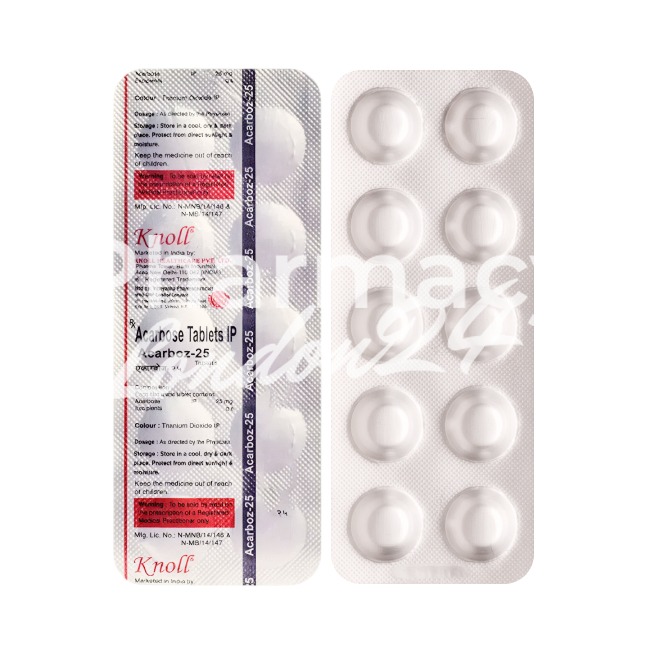
In brief
- In our pharmacy, you can buy Glucobay without a prescription, with delivery in 9–21 days throughout the United Kingdom. Discreet and anonymous packaging.
- Glucobay is used for the management of type 2 diabetes by inhibiting enzymes that digest carbohydrates, thereby reducing postprandial blood sugar levels.
- Glucobay is usually started at 50 mg once or three times daily with meals and increased gradually based on tolerance and efficacy, to a maximum of 200 mg three times daily.
- The form of administration is a tablet.
- Alcohol should be taken in moderation, as it can mask the symptoms of hypoglycaemia.
- The most common side effect is flatulence.
- Would you like to try Glucobay without a prescription?
Basic Glucobay information
- INN (international nonproprietary name): Acarbose
- Brand names available in the United Kingdom: Glucobay
- ATC code: A10BF01
- Forms and dosages: Tablets 50 mg and 100 mg
- Manufacturers in the United Kingdom: Bayer
- Registration status in the United Kingdom: Prescription-only medicine (POM)
- OTC / Rx classification: Prescription-only medicine (POM)
Everyday use and best practices
Morning vs evening dosing
Consistent dosing times are essential for optimal results when using Glucobay, which helps manage blood sugar levels post-meal. Glucobay is taken with each main meal, so the timing follows your usual mealtimes. If you are unsure about the best schedule, discuss it with a healthcare professional.
Taking with or without meals
For effective management of diabetes, Glucobay should be taken at the start of every main meal, allowing it to function optimally in reducing postprandial blood sugar levels. Here are some practical tips:
- Set reminders to take Glucobay with meals.
- Plan meals that align with your dosing schedule, ensuring regularity.
- Consult a dietitian if unsure about meal timing.
Safety priorities
Who should avoid it
Certain individuals should avoid using Glucobay due to severe contraindications. Absolute contraindications include:
- Hypersensitivity to acarbose or its excipients
- Chronic intestinal diseases, such as inflammatory bowel disease
- Severe renal impairment (creatinine clearance below 25 mL/min)
Activities to limit
Patients may need to limit certain activities while on Glucobay, particularly if they experience gastrointestinal symptoms such as flatulence or abdominal discomfort. These side effects can disrupt daily tasks, including driving and work responsibilities. Here’s some advice for navigating these activities:
- If experiencing persistent gastrointestinal issues, consider rescheduling activities that require concentration, like driving.
- Seek further guidance from healthcare providers if symptoms severely affect quality of life.
Dosage and adjustments
General regimen
Treatment usually starts with 50 mg once or three times daily, taken with the first bite of each main meal. The dose is increased gradually according to tolerance and blood sugar control, to 100 mg three times daily and, if needed, up to a maximum of 200 mg three times daily. Regular check-ups with healthcare providers are needed to monitor treatment in people with type 2 diabetes.
Special cases
There are specific adjustments and precautions for elderly patients and those with comorbidities. Elderly individuals do not typically require dose adjustments unless significant gastrointestinal or liver function changes occur. For patients with liver or renal impairment, Glucobay should be approached with caution:
- Acarbose should not be used in severe renal impairment or in hepatic impairment; monitor closely for adverse effects.
- Consult healthcare providers for personalised treatment plans to ensure safety and effectiveness.
What’s inside and how it works
Ingredients overview
Glucobay's active ingredient is acarbose, an alpha-glucosidase inhibitor designed to control postprandial blood sugar levels. The tablets also contain inactive excipients; check the patient information leaflet if you have allergies or intolerances.
Mechanism basics explained simply
The way Glucobay works is straightforward: it slows down the digestion of carbohydrates in the intestines. By inhibiting alpha-glucosidase, Glucobay reduces the rate at which sugars enter the bloodstream, thus helping to lower blood sugar spikes after meals. Glucobay works best alongside a balanced diet.
Main indications
Approved uses
Glucobay is licensed in the UK for treating type 2 diabetes mellitus, alongside diet, and sometimes in combination with other antidiabetic medicines.
Off-label uses in UK clinics
While Glucobay is primarily prescribed for diabetes, some clinicians use it off-label, for example in pre-diabetes. Any off-label prescribing should involve discussion of the risks and benefits with a healthcare professional.
Interaction warnings
Food interactions
Patients taking Glucobay should be mindful of food interactions, particularly with alcohol, which can mask the symptoms of hypoglycaemia and affect blood glucose control, so it should be taken in moderation. Foods containing a lot of sugar (sucrose) can worsen gastrointestinal side effects.
Drug conflicts
Tell your healthcare provider about all medicines you take. Glucobay can enhance the blood-glucose-lowering effect of insulin and sulfonylureas, and digestive enzyme preparations and charcoal may reduce its effect. Suspected side effects can be reported through the Yellow Card scheme.
Alternative choices
Alternatives to Glucobay available on the NHS include:
- Metformin: Widely used as a first-line treatment. Pros include proven efficacy in long-term glucose control. Cons can include gastrointestinal upset.
- Sulfonylureas (e.g. gliclazide): Effective for lowering blood sugar. However, they carry a risk of hypoglycaemia.
- GLP-1 receptor agonists (e.g. liraglutide): Useful for weight loss in type 2 diabetes, but given by injection and can cause nausea.
Discuss the risks and benefits of each option with a healthcare provider before switching.
Regulation snapshot
The Medicines and Healthcare products Regulatory Agency (MHRA) licenses Glucobay in the UK, which is a prescription-only medicine (POM).
The NHS prescribing framework outlines how Glucobay should be incorporated into patient treatment plans, ensuring that healthcare providers adhere to standard guidelines while prescribing. This framework supports healthcare providers in making informed decisions regarding diabetes medications.
Frequently asked questions
Common questions about Glucobay:
- What is Glucobay used for? It is prescribed for managing blood sugar levels after meals in type 2 diabetes.
- Is it safe to take? Yes, as long as it is prescribed and monitored by a healthcare professional.
- Are there side effects? Some patients experience gastrointestinal discomfort, such as flatulence or diarrhoea.
Guidelines for proper use
Pharmacists play a key role in counselling patients about Glucobay. Key points for counselling include:
- Dosage: Start with a low dose (50 mg) with meals, as directed by your prescriber.
- Routine: Gradual titration, up to 100 mg per meal or higher if tolerated and prescribed.
- Diet: Recommend adherence to a balanced diet to maximise effectiveness.
For ongoing support, the NHS provides resources such as diabetes education programmes and counselling services.
| City | Region | Delivery time |
|---|---|---|
| London | Greater London | 9–21 days |
| Birmingham | West Midlands | 9–21 days |
| Manchester | Greater Manchester | 9–21 days |
| Edinburgh | Scotland | 9–21 days |
| Bristol | South West | 9–21 days |
| Glasgow | Scotland | 9–21 days |
| Liverpool | Merseyside | 9–21 days |
| Leeds | West Yorkshire | 9–21 days |
| Newcastle | Tyne and Wear | 9–21 days |
| Sheffield | South Yorkshire | 9–21 days |
| Cardiff | Wales | 9–21 days |
| Nottingham | East Midlands | 9–21 days |
| Southampton | Hampshire | 9–21 days |
| Brighton | East Sussex | 9–21 days |
| Oxford | Oxfordshire | 9–21 days |



