
Galantamine
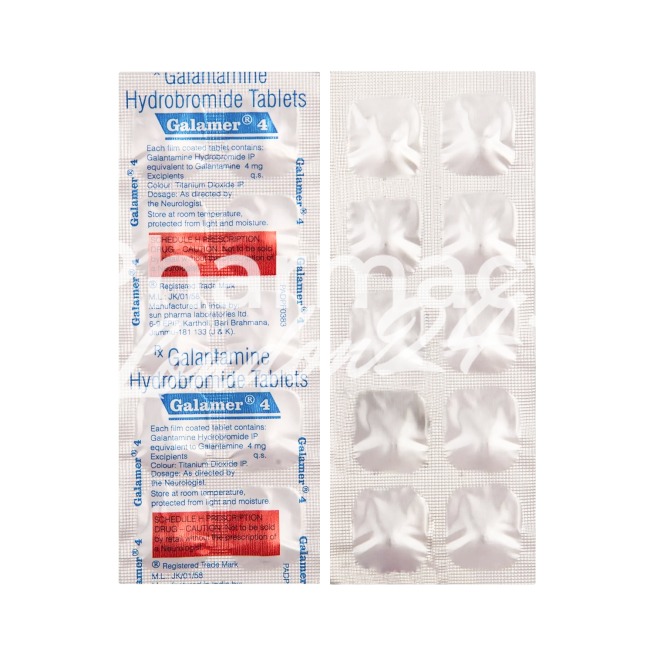
In brief
- In our pharmacy, you can buy galantamine without a prescription, with delivery in 9–21 days throughout the United Kingdom. Discreet and anonymous packaging.
- Galantamine is intended for the treatment of cognitive decline associated with Alzheimer's disease. The drug is an anticholinesterase inhibitor that increases synaptic acetylcholine levels.
- The usual dose of galantamine is 4 mg twice daily (immediate-release) or 8 mg daily (prolonged-release), which can be increased to 16–24 mg/day as tolerated.
- The form of administration is available as immediate-release tablets, prolonged-release capsules, or oral solution.
- Do not consume alcohol while taking galantamine.
- The most common side effects are gastrointestinal issues such as nausea, vomiting, and diarrhoea.
- Would you like to try galantamine without a prescription?
Basic galantamine information
- INN (international nonproprietary name): Galantamine
- Brand names available in the United Kingdom: Reminyl; generic galantamine
- ATC code: N06DA04
- Forms and dosages: Tablets (4 mg, 8 mg, 12 mg), prolonged-release capsules (8 mg, 16 mg, 24 mg), oral solution (4 mg/mL)
- Manufacturers in the United Kingdom: Janssen-Cilag and generic manufacturers
- Registration status in the United Kingdom: Prescription-only medicine (POM)
- OTC / Rx classification: Prescription-only medicine (POM)
Everyday use and best practices
Incorporating galantamine into daily routines can be critical for effective treatment outcomes. Establishing a consistent dosing routine helps adherence, which is pivotal for optimal results.
Morning vs evening dosing
Taking galantamine at the same time each day is widely advised, whether using immediate-release tablets (twice daily) or the prolonged-release capsules (once daily, in the morning). Morning dosing is generally advised because it helps in establishing a reliable routine and avoids disruption to sleep patterns.
Taking with or without meals
Galantamine is recommended to be taken with food (the tablets with morning and evening meals, the prolonged-release capsules with breakfast), which helps to reduce gastrointestinal side effects such as nausea. Drink plenty of fluids during treatment.
Legal status in the UK
Galantamine is a prescription-only medicine (POM) in the UK.
What’s inside and how it works
Ingredients overview
The principal component of galantamine is galantamine hydrobromide, which is used to treat cognitive decline. It is available as immediate-release tablets, prolonged-release capsules, and oral solution, with doses ranging from 4 mg to 24 mg depending on the treatment plan.
Mechanism basics explained simply
Galantamine works by inhibiting acetylcholinesterase, an enzyme responsible for breaking down acetylcholine, a neurotransmitter essential for memory and learning. By increasing acetylcholine levels in the brain, galantamine can improve cognitive function in patients with Alzheimer's disease.
Main indications
Approved uses
Galantamine is licensed in the UK for the symptomatic treatment of mild to moderately severe dementia of the Alzheimer type.
Off-label uses in UK clinics
While galantamine is primarily geared towards Alzheimer's, it has seen some off-label use for other forms of memory impairment. Any off-label use should only be guided by a healthcare professional, with monitoring of the individual’s response.
Interaction warnings
Food interactions
When taking galantamine, patients should be mindful of certain food and beverage interactions, particularly with alcohol. Drinking alcohol can heighten side effects like dizziness and drowsiness, which may impede daily functioning. It's advisable to limit alcohol intake while on this medication.
Drug conflicts
Potential drug interactions exist, particularly with other anticholinesterases, which may exacerbate side effects or reduce therapeutic effects. Patients should tell their prescriber about all medications, including over-the-counter drugs. Regular reviews help to reduce the risks of taking several medicines, particularly in elderly individuals.
Alternative choices
Patients often consider alternatives to galantamine, such as donepezil and rivastigmine, both of which are also cholinesterase inhibitors.
- Donepezil: Taken once daily, but can lead to insomnia.
- Rivastigmine: Available as a patch, which may benefit patients who struggle with oral medications, though it may cause gastrointestinal issues.
Factors such as the severity of dementia, comorbid conditions, and individual reactions to each drug should guide the choice with healthcare providers.
Regulation snapshot
In the UK, galantamine is licensed by the MHRA and is a prescription-only medicine (POM). It is prescribed within the NHS prescribing framework and established guidelines for dementia treatment. Suspected side effects can be reported through the Yellow Card scheme.
Frequently asked questions
Common questions about galantamine:
- What is the recommended dosage? Starting dose is typically 4mg twice daily, which may be adjusted based on tolerability.
- Are there any side effects? Yes, common side effects include nausea and dizziness, particularly when starting the treatment.
- What should I do if I miss a dose? Take it as soon as you remember, unless close to the next dose; do not double up.
Guidelines for proper use
Pharmacists play a crucial role in educating patients about the proper use of galantamine. This includes providing clear guidance on dosing, possible side effects, and the necessity of adhering to prescribed regimens.
NHS resources also offer advice on starting galantamine treatment.
| City | Region | Delivery Time |
|---|---|---|
| London | Greater London | 9–21 days |
| Birmingham | West Midlands | 9–21 days |
| Manchester | Greater Manchester | 9–21 days |
| Glasgow | Scotland | 9–21 days |
| Liverpool | Merseyside | 9–21 days |
| Bristol | South West England | 9–21 days |
| Newcastle | Tyne and Wear | 9–21 days |
| Sheffield | South Yorkshire | 9–21 days |
| Leeds | West Yorkshire | 9–21 days |
| Nottingham | East Midlands | 9–21 days |
| Cardiff | Wales | 9–21 days |
| Coventry | West Midlands | 9–21 days |
| Southampton | South East England | 9–21 days |
| Brighton | South East England | 9–21 days |



