
Fulvicin
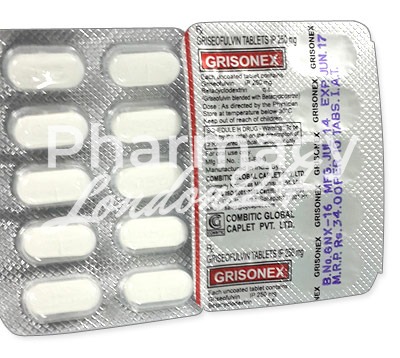
In brief
- In our pharmacy, you can buy fulvicin without a prescription, with delivery in 9–21 days throughout the United Kingdom. Discreet and anonymous packaging.
- Fulvicin is intended for the treatment of dermatophyte infections such as tinea corporis, tinea cruris, tinea pedis, tinea unguium, and tinea capitis. The drug works by inhibiting fungal cell division.
- The usual dose of fulvicin for adults is 500 mg–1 g per day, depending on the condition.
- The form of administration is a tablet or oral suspension.
- The effect of the medication begins within several days, but full improvement may take longer; treatment is typically continued for several weeks (or longer for nail infections) based on the infection being treated.
- It is advisable to avoid alcohol while taking fulvicin, as it can cause flushing and palpitations.
- The most common side effect is gastrointestinal upset, including nausea and vomiting.
- Would you like to try fulvicin without a prescription?
What’s inside and how it works
Ingredients overview
Fulvicin contains the active ingredient griseofulvin, an antifungal used against fungal infections like tinea. In the UK, griseofulvin is available as generic tablets (125 mg and 500 mg) and as an oral suspension (125 mg/5 ml). The ATC code is D01BA01.
Mechanism basics explained simply
Griseofulvin works by binding to the microtubules of fungal cells, which disrupts cell division and hampers the growth and spread of the fungus. This action is effective against dermatophytes, the fungi that cause skin, hair and nail infections. The drug is deposited in keratin, so the infected tissue is gradually replaced by healthy tissue as treatment continues.
Main indications
Approved uses
Griseofulvin is licensed in the UK for dermatophyte infections of the skin, hair and nails where topical treatment has failed or is inappropriate, including:
- Tinea corporis (ringworm)
- Tinea capitis (scalp infections)
- Tinea pedis (athlete's foot)
- Tinea unguium (nail infections)
Off-label uses in UK clinics
Any use outside the licensed indications should only take place on the advice of a healthcare professional.
Interaction warnings
Food interactions
Food and drink interactions to be aware of:
- Alcohol - can cause flushing and palpitations (a disulfiram-like reaction) and its effects may be increased, so it should be avoided or limited
- Fatty meals - taking griseofulvin with a fatty meal improves its absorption
Drug conflicts
Key interacting medicines that should be disclosed to healthcare providers include anticoagulants like warfarin and oral contraceptives, which may have reduced efficacy (additional contraceptive precautions are needed during treatment and for a period afterwards).
Tell your healthcare provider about all medicines you take, and report suspected side effects through the Yellow Card scheme.
Alternative choices
There are several alternative antifungal medicines available on the NHS. Each option has its pros and cons, which can inform prescribing decisions. They are summarised in the table below:
| Medication | Pros | Cons |
|---|---|---|
| Terbinafine (Lamisil) | Effective for nail infections, shorter course. | Possible liver toxicity, gastrointestinal issues. |
| Itraconazole (Sporanox) | Broad spectrum, effective against various fungi. | Requires monitoring for interactions. |
| Fluconazole (Diflucan) | Well-tolerated, easy to dose. | Limited in efficacy for some dermatophytes. |
| Ketoconazole | Good for topical use. | Oral use has been restricted because of the risk of liver toxicity. |
Regulation snapshot
In the UK, griseofulvin is classified as a prescription-only medicine (POM). The Medicines and Healthcare products Regulatory Agency (MHRA) oversees its licensing and monitoring, and it is prescribed in line with NHS guidelines.
Frequently asked questions
Common questions about Fulvicin:
- What are the side effects of fulvicin? Common side effects can include headaches, gastrointestinal distress, and fatigue, but severe reactions are rare and usually manageable.
- How long is the treatment duration? Treatment duration typically ranges from 2 to 6 weeks, depending on the type of infection being treated.
- Can I take fulvicin while pregnant? Griseofulvin is contraindicated in pregnancy due to potential risks, so proper contraceptive measures are advised during treatment (men should also avoid fathering a child during and shortly after treatment).
- Is fulvicin available without a prescription? No – in the UK griseofulvin is a prescription-only medicine.
Guidelines for proper use
Pharmacists can advise patients on taking griseofulvin with a fatty meal, completing the full course and avoiding sunlight (it can cause photosensitivity). The NHS also provides information resources and access to healthcare professionals.
Delivery information
| City | Region | Delivery Time |
|---|---|---|
| London | Greater London | 9–21 days |
| Birmingham | West Midlands | 9–21 days |
| Manchester | North West | 9–21 days |
| Glasgow | Scotland | 9–21 days |
| Leeds | West Yorkshire | 9–21 days |
| Cardiff | Wales | 9–21 days |
| Bristol | South West | 9–21 days |
| Sheffield | South Yorkshire | 9–21 days |
| Newcastle upon Tyne | North East | 9–21 days |
| Nottingham | East Midlands | 9–21 days |
| Leicester | East Midlands | 9–21 days |
| Coventry | West Midlands | 9–21 days |



