
Fluconazole
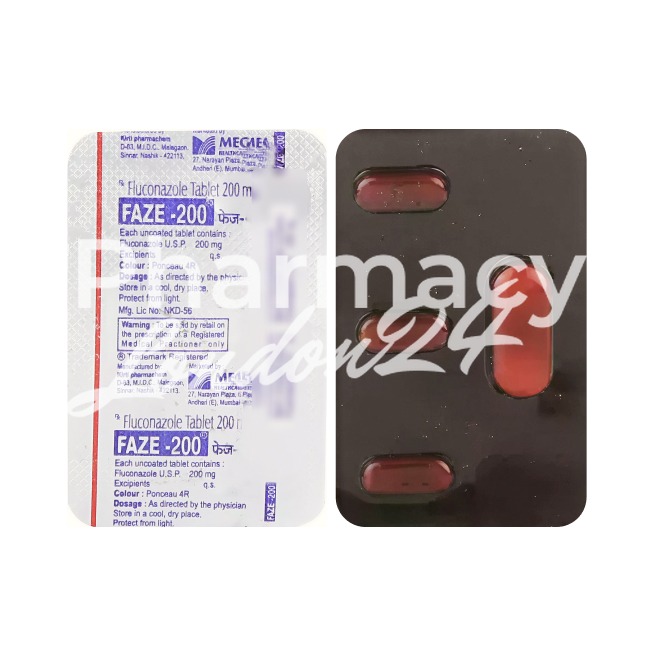
In brief
- In our pharmacy, you can buy fluconazole without a prescription, with delivery in 9–21 days throughout the United Kingdom. Discreet and anonymous packaging.
- Fluconazole is used to treat and prevent systemic and mucocutaneous fungal infections, especially those caused by Candida and Cryptococcus species. It works by inhibiting fungal cell membrane synthesis.
- The usual dosage of fluconazole varies by indication, but typical adult dosages include a single 150 mg for vaginal candidiasis and 200–400 mg/day for oesophageal candidiasis.
- The form of administration can be capsules, oral suspension or intravenous infusion.
- The effect of the medication begins within 1–2 hours after oral administration.
- The duration of action can last 24–48 hours depending on the dosage and formulation used.
- It is advisable not to consume alcohol while taking fluconazole.
- The most common side effects include nausea, vomiting, abdominal pain, and skin rash.
- Would you like to try fluconazole without a prescription?
Basic fluconazole information
- International nonproprietary name (INN): Fluconazole
- Brand names available in the United Kingdom: Diflucan; generic fluconazole
- ATC code: J02AC01
- Forms and dosages: Capsules (50 mg, 150 mg, 200 mg), oral suspension, intravenous infusion
- Manufacturers in the United Kingdom: Pfizer (Diflucan) and various generic manufacturers
- Registration status in the United Kingdom: Prescription-only medicine (POM); a single 150 mg capsule for vaginal thrush is also available from pharmacies (P)
- OTC / Rx classification: Prescription-only medicine (POM); only the single 150 mg capsule for vaginal thrush is a pharmacy medicine (P)
Everyday use and best practices
Fluconazole is a widely prescribed antifungal. Its effectiveness can be maximised with the right dosing schedule and by following the advice on the leaflet.
Morning vs evening dosing
When taking fluconazole, consistency is key. Although it can be taken at any time of day, it’s beneficial to choose a specific time to take it every day to maintain steady levels in the body. Individuals with busy lifestyles often find that morning doses fit better into their routines, significantly reducing the chances of missing a dose. By integrating it into your daily schedule, you can ensure that treatment remains effective.
Taking with or without meals (UK diet habits)
Fluconazole can be taken with or without food, offering flexibility based on personal preference. However, some patients may find that taking it with meals can help alleviate gastrointestinal side effects like nausea. Food does not significantly affect the absorption of fluconazole. A pharmacist can give advice that takes your overall health into account.
If fluconazole causes stomach upset, take it with a light meal and drink plenty of fluids. Discuss any concerns with a healthcare professional.
What’s inside and how it works
The active ingredient, fluconazole, belongs to the triazole class of antifungals. It works by inhibiting the synthesis of the fungal cell membrane, making it particularly effective against infections caused by various Candida species and certain strains of Cryptococcus. While the active ingredient is consistent, the inactive components may vary by brand, offering a range of formulations.
Ingredients overview
The crux of fluconazole's effectiveness is tied to its selective targeting of a specific enzyme, known as lanosterol 14α-demethylase. This enzyme is crucial for the formation of the fungal cell membrane. When fluconazole interrupts this process, it effectively halts fungal growth and replication. It is selective for the fungal enzyme, which makes fluconazole an effective treatment for a wide variety of fungal infections, including thrush and systemic candidiasis.
Main indications
Recognised by the Medicines and Healthcare products Regulatory Agency (MHRA), fluconazole is primarily prescribed for both systemic and mucocutaneous fungal infections. This includes common conditions like oral and oesophageal candidiasis, as well as more severe ailments such as cryptococcal meningitis. Fluconazole is also used for oropharyngeal candidiasis.
Other uses
Beyond its primary indications, fluconazole is used for preventing fungal infections in people with weakened immunity, for example during chemotherapy or in those living with HIV/AIDS, and for treating dermatophyte (skin and nail) infections. Some of these uses depend on clinical judgement and specialist advice.
Interaction warnings
Patients should be aware of potential interactions to ensure effective treatment.
Food interactions
- Alcohol: Avoiding alcohol during fluconazole treatment is advisable as it can add to the strain on the liver.
- Caffeine: Increased caffeine intake may lead to heightened side effects like jitteriness and anxiety.
It's a good practice to consult a healthcare provider regarding dietary modifications while undergoing treatment.
Drug conflicts
Fluconazole may interact with various medications, which could potentially lead to increased side effects or reduced therapeutic effectiveness. Notable interactions include anticoagulants and certain medications that prolong the QT interval, such as some antidepressants. Suspected side effects can be reported through the Yellow Card scheme.
Alternative choices
When considering alternatives to fluconazole for treating fungal infections, options like itraconazole and voriconazole come into play. These medications are often needed due to various factors, including tolerance and specific patient health conditions.
Pros and cons of these alternatives:
- Itraconazole: Known for its effectiveness against certain fungal infections, it requires more complex dosing and also carries a risk of liver problems.
- Voriconazole: Highly effective against resistant fungi but has significant side effects, including visual disturbances and liver enzyme elevations.
Liver function monitoring is essential, especially when prescribing voriconazole.
Regulation snapshot
Fluconazole is a prescription-only medicine (POM) in the UK, regulated by the Medicines and Healthcare products Regulatory Agency (MHRA). A single 150 mg capsule for vaginal thrush is available from pharmacies without a prescription.
The NHS prescribing framework ensures that patients undergo thorough evaluations prior to commencing treatment. This protocol is crucial in maintaining patient safety and efficacy of treatment.
Frequently asked questions
Common questions arise for patients regarding fluconazole treatment:
- Can fluconazole be taken with alcohol?
It’s advisable to avoid alcohol while taking fluconazole due to the potential for liver-related complications.
- How long does fluconazole take to work?
Most patients notice symptom relief within 1-3 days, but full recovery may take longer depending on the infection's severity.
- Is fluconazole safe for pregnant women?
Consultation with a healthcare professional is critical, as fluconazole carries risks, especially with extended use during pregnancy.
- Can I buy fluconazole over the counter?
Fluconazole is a prescription-only medicine in the UK; only the single 150 mg capsule for vaginal thrush can be supplied by a pharmacist without a prescription. Always seek advice from a healthcare provider.
Guidelines for proper use
Patients are strongly encouraged to consult pharmacists for tailored guidance on fluconazole use. Pharmacists can provide insights into dosing schedules, potential interactions, and any side effects based on individual health histories and lifestyles.
Accessible NHS resources enhance patient care. Services like NHS 111 and local pharmacy consultations are available to clarify queries about fluconazole. These services support safe use of the medicine throughout treatment.
| City | Region | Delivery time |
|---|---|---|
| $London | $London | $9–21 days |
| $Birmingham | $West Midlands | $9–21 days |
| $Manchester | $Greater Manchester | $9–21 days |
| $Glasgow | $Scotland | $9–21 days |
| $Leeds | $West Yorkshire | $9–21 days |
| $Liverpool | $Merseyside | $9–21 days |
| $Newcastle | $Tyne and Wear | $9–21 days |
| $Sheffield | $South Yorkshire | $9–21 days |
| $Bristol | $South West | $9–21 days |
| $Cardiff | $Wales | $9–21 days |
| $Nottingham | $East Midlands | $9–21 days |
| $Coventry | $West Midlands | $9–21 days |
| $Stoke-on-Trent | $Staffordshire | $9–21 days |
| $Southampton | $Hampshire | $9–21 days |
| $Hull | $East Riding of Yorkshire | $9–21 days |



