
Dydrogesterone
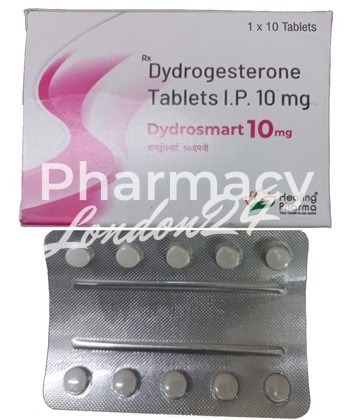
In brief
- Dydrogesterone can be purchased in our pharmacy without a prescription, with delivery available in 9–21 days throughout the United Kingdom. Discreet and anonymous packaging is provided.
- Dydrogesterone is primarily used for hormone replacement therapy, treatment of dysfunctional uterine bleeding, and support in cases of threatened miscarriage. It acts as a progestogen, mimicking the natural hormone progesterone.
- The usual dose of dydrogesterone varies by indication; for example, it is typically 10 mg twice daily for dysfunctional uterine bleeding.
- The form of administration is oral tablets.
- The most common side effect is headache.
- Would you like to try dydrogesterone without a prescription?
Basic dydrogesterone information
- INN (international nonproprietary name): Dydrogesterone
- Brand names available in the United Kingdom: Duphaston (not currently marketed in the UK)
- ATC code: G03DB01
- Forms and dosages: Tablet 10 mg
- Manufacturers in the United Kingdom: Abbott Healthcare
- Registration status in the United Kingdom: Prescription-only medicine (POM)
- OTC / Rx classification: Prescription-only medicine (POM)
Morning vs evening dosing
Dydrogesterone works best when it is taken at the same times every day, which helps to maintain steady levels in the body. Tablets taken twice daily are usually spread evenly through the day, for example morning and evening. If dydrogesterone makes you feel drowsy, taking the dose in the evening may be more comfortable. Follow the schedule given by your prescriber, because the days of the cycle on which it is taken depend on the condition being treated.
Taking with or without meals
Dydrogesterone tablets can be taken with or without food. If you get an upset stomach when taking medicines on an empty stomach, take the tablet with a meal. Taking it with a regular meal, such as breakfast, can also make the routine easier to remember.
Safety priorities
Who should avoid it (MHRA warnings)
Dydrogesterone is not suitable for everyone. People with a known allergy to dydrogesterone or any of its components must not use it. Caution is also needed, or the medicine may be unsuitable, in people with:
- Active or severe liver disease
- Known or suspected progestogen-dependent tumours (for example meningioma) or hormone-dependent cancers
- Undiagnosed vaginal bleeding
Those with renal or cardiac disease should ask their prescriber for personalised advice.
Activities to limit (driving, work safety)
Dydrogesterone can occasionally cause drowsiness or dizziness, which may affect the ability to drive or operate machinery safely until you know how it affects you. Some suggestions include:
- Avoid driving if feeling drowsy or dizzy after taking the medication.
- Refrain from dangerous work tasks until familiar with side effects.
- Opt for caution when engaging in sports or physical activities that require alertness.
Keep an eye on how you respond to the treatment and speak to a healthcare professional if you are concerned. Suspected side effects can be reported through the Yellow Card scheme.
Dosage and adjustments
General regimen (NHS guidance)
Dydrogesterone is a progestogen prescribed for various gynaecological conditions, and the dose depends on the condition being treated. The usual doses are summarised below; always follow the prescriber's instructions.
| Indication | Typical dose | Duration |
|---|---|---|
| Dysfunctional uterine bleeding | 10 mg twice daily | 5–7 days |
| Threatened miscarriage (to support pregnancy) | 40 mg once, then 10 mg every 8 hours | Until symptoms resolve |
| Recurrent miscarriage | 10 mg twice daily | Until at least 20th week gestation |
| Luteal deficiency infertility | 10 mg daily (luteal phase) | 10–14 days post-ovulation |
| Dysmenorrhoea | 10 mg twice daily, day 5–25 of cycle | Per cycle |
| Endometriosis | 10 mg two to three times daily, day 5–25 of cycle, or continuously | Cyclic or continuous |
| Secondary amenorrhea | 10 mg once or twice daily for 14 days, with an oestrogen | As needed |
| HRT (with oestrogen, for menopause) | 10 mg daily for the last 14 days of each oestrogen cycle | Cyclic |
Special cases (elderly, comorbidities)
Age and other health conditions can affect treatment. Key considerations include:
- Monitoring required: Even if no general dosage adjustments are recommended for elderly patients, clinical assessments are essential to monitor responses and side effects.
- Chronic conditions: Patients with hepatic or renal impairments should be approached cautiously, as dydrogesterone metabolism could be affected.
- Potential interactions: Those taking multiple medications due to comorbidities should discuss potential interactions with their healthcare provider.
People with complex health profiles should discuss their treatment regularly with their healthcare professional.



