
Doxycycline
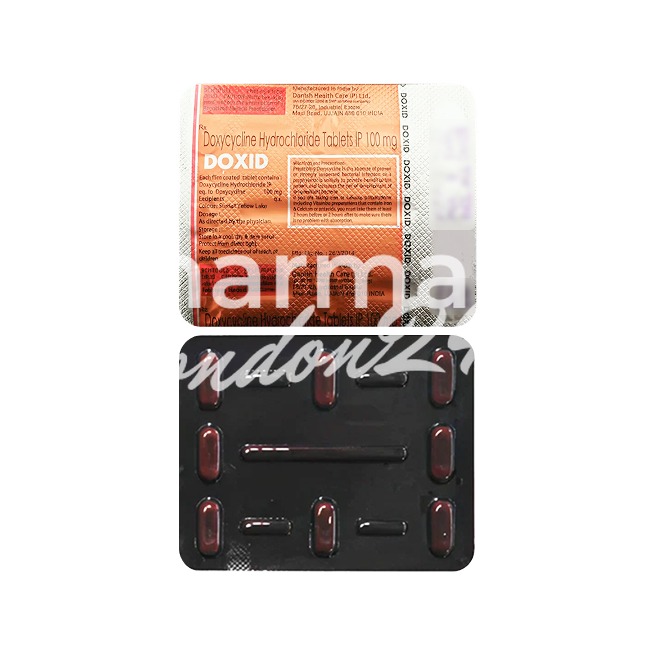
In brief
- In our pharmacy, you can buy doxycycline without a prescription, with delivery in 9–21 days throughout the United Kingdom. Discreet and anonymous packaging.
- Doxycycline is used for the treatment of various bacterial infections, acne, and malaria prophylaxis. It works by inhibiting protein synthesis in bacteria.
- The usual dosage of doxycycline varies by condition, but for respiratory infections, it is typically 200 mg on the first day, then 100 mg daily thereafter.
- The form of administration is oral (capsules, tablets or dispersible tablets).
- The effect of the medication begins within 1–2 hours.
- The duration of action is approximately 12–24 hours.
- It is advisable to limit alcohol intake while taking doxycycline.
- The most common side effect is gastrointestinal upset, including nausea and diarrhoea.
- Would you like to try doxycycline without a prescription?
Basic doxycycline information
- INN (international nonproprietary name): Doxycycline
- Brand names available in the United Kingdom: Vibramycin, Efracea; generic doxycycline
- ATC code: J01AA02
- Forms and dosages: Capsules 50 mg, 100 mg; modified-release capsules 40 mg; tablets 100 mg; dispersible tablets 100 mg
- Manufacturers in the United Kingdom: Pfizer, Mylan, Actavis, Sandoz, Galderma, Teva
- Registration status in the United Kingdom: Licensed by the MHRA; prescription-only medicine (POM)
- OTC / Rx classification: Prescription-only medicine (POM)
Everyday use and best practices
When considering doxycycline as a treatment option, understanding its proper administration is essential for maximising effectiveness. Factors such as timing and dietary habits can significantly impact its absorption and safety profile.
Morning vs evening dosing
Doxycycline is usually taken once or twice a day, at the same time(s) each day. Taking the medication with food can improve gastrointestinal tolerance. However, patients should remain cautious about particular substances that may affect absorption.
Taking with or without meals
Dairy products, antacids and iron or calcium supplements can reduce doxycycline absorption, so leave a gap of about two to three hours between them and your dose. Doxycycline can be taken with food or a drink to reduce stomach upset; swallow it whole with a full glass of water while sitting or standing. Follow the instructions given by your prescriber or pharmacist.
Safety priorities
Who should avoid it
Doxycycline should not be taken by anyone who has a known hypersensitivity to the medication or other tetracyclines. It should also be avoided during pregnancy and in children under 12 years because of the risk of permanent dental discolouration and effects on bone growth.
Activities to limit
Engaging in activities like driving or operating heavy machinery should be approached with caution after taking doxycycline, as it can cause dizziness or light-headedness. Additionally, the potential for photosensitivity means that individuals should avoid excessive sunlight exposure, wearing appropriate sun protection when outdoors.
Dosage and adjustments
General regimen
For adults, standard doses for common infections are typically 200 mg on the first day, followed by 100 mg daily for subsequent days. For respiratory infections, the recommended duration is usually between 7 to 14 days, while treatment for acne may last from 6 to 12 weeks. It’s essential to adhere to the prescribed regimen to achieve optimal results.
Special cases
Dosage adjustments may be necessary for particular populations such as the elderly and those with comorbidities. Children under 12 should generally avoid doxycycline unless the benefits clearly outweigh the risks. For elderly patients or those with liver or kidney impairments, careful monitoring and potential modifications in dosage should be considered to prevent toxicity and ensure effective treatment.
Legal status in the UK
Doxycycline is a prescription-only medicine (POM) in the UK.
What’s inside and how it works
Ingredients overview
Doxycycline is a widely used antibiotic. The active ingredient is doxycycline hyclate or doxycycline monohydrate, depending on the brand. In brand-name formulations such as Vibramycin, the inactive ingredients can include substances like titanium dioxide and sodium lauryl sulfate, which help in tablet formation and stability. Generic formulations might differ slightly in their inactive components, but the active ingredient remains consistent.
Mechanism basics explained simply
Doxycycline battles bacterial infections through a straightforward mechanism. Once ingested, it targets bacterial protein synthesis by binding to their ribosomes, essentially inhibiting their ability to produce the proteins necessary for growth and replication. This action stifles the bacteria, helping the immune system clear the infection. Its effectiveness spans various types of bacteria, making it a versatile choice for conditions like respiratory infections, acne, and more.
Main indications
Approved uses (MHRA listing)
Doxycycline is licensed in the UK for several conditions. It is used to treat respiratory infections, acne and rosacea, genital infections such as chlamydia, Lyme disease from tick bites, and other infections caused by susceptible bacteria. It is also used for malaria prophylaxis and after exposure to anthrax.
Off-label uses in UK clinics
Clinicians may prescribe doxycycline off-label for conditions such as chronic sinusitis, and its anti-inflammatory properties are used in managing some skin conditions.
Interaction warnings
Food interactions (alcohol, tea/coffee)
Doxycycline's efficacy can be influenced by dietary choices. Alcohol may intensify side effects. Dairy products and calcium, iron or antacid supplements can hinder absorption by binding to the medicine, so leave a gap of a few hours between doxycycline and these to maximise its effectiveness.
Drug conflicts
Various drug interactions exist that patients need to be aware of. Medicines such as warfarin, retinoids (including isotretinoin), ciclosporin and certain antiepileptics may interact with doxycycline. Patients should tell their prescriber or pharmacist about all medicines, including supplements.
Alternative choices
Several alternatives to doxycycline exist. For those allergic to tetracyclines, macrolides such as azithromycin could be prescribed instead, and some infections respond to β-lactams such as amoxicillin. Side effects, drug interactions and the susceptibility of the bacteria are considered when selecting an alternative:
- Minocycline: A related tetracycline with similar effects, but potentially more side effects.
- Azithromycin: Broader application, though may not target the same bacteria.
- Amoxicillin: Generally well-tolerated, may provide effective alternative.
Regulation snapshot
Doxycycline is licensed in the UK by the Medicines and Healthcare products Regulatory Agency (MHRA) and is a prescription-only medicine (POM). It is prescribed for various conditions, including respiratory infections, acne and malaria prophylaxis.
Frequently asked questions
What should I do if I miss a dose? If a dose is missed, take it as soon as remembered unless it's close to the next dose. Never double up to make up for missed doses.
Can doxycycline interact with other medications? Yes, doxycycline can interact with certain medications, including antacids, blood thinners and retinoids. Always inform your healthcare provider about all medications you're taking.
What are the common side effects of doxycycline? Most side effects are mild and can include nausea, vomiting, and photosensitivity. If severe reactions occur, such as difficulty breathing or a rash, seek medical attention immediately.
Is it safe to take doxycycline during pregnancy? Doxycycline is generally contraindicated during pregnancy, especially in the second and third trimesters, due to the risk of harm to the developing baby.
Guidelines for proper use
Pharmacists in the UK advise that doxycycline should be taken with a full glass of water to reduce the risk of throat irritation. Timing is flexible; however, taking it consistently at the same time daily can enhance adherence to the treatment.
Accurate dosage is essential. Typically, healthcare providers recommend:
- For many infections, 200 mg on the first day, followed by 100 mg daily.
- For acne and rosacea, doses might vary between 40 mg and 100 mg daily.
If side effects are concerning or unexpected, patients should consult their pharmacist or GP. For further support, NHS resources provide detailed information about doxycycline and its usage,.
| City | Region | Delivery Time |
|---|---|---|
| London | Greater London | 9–21 days |
| Birmingham | West Midlands | 9–21 days |
| Manchester | Greater Manchester | 9–21 days |
| Leeds | West Yorkshire | 9–21 days |
| Glasgow | Scotland | 9–21 days |
| Sheffield | South Yorkshire | 9–21 days |
| Bristol | South West England | 9–21 days |
| Coventry | West Midlands | 9–21 days |
| Nottingham | East Midlands | 9–21 days |
| Cardiff | Wales | 9–21 days |
| Newcastle upon Tyne | Tyne and Wear | 9–21 days |
| Brighton | East Sussex | 9–21 days |
| Liverpool | Merseyside | 9–21 days |
| Aberdeen | Scotland | 9–21 days |



