
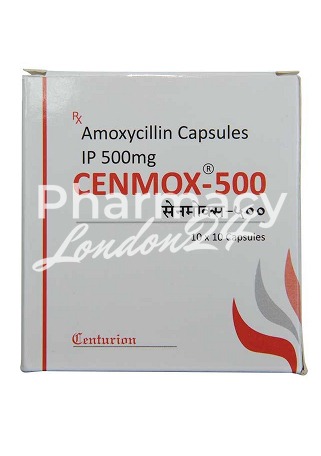
Cenmox
In brief
Cenmox is an antibiotic with the active substance amoxicillin, a penicillin used for bacterial infections of the airways, ears, sinuses, urinary tract and skin. It is available in 250 mg and 500 mg strengths, and the dose is set by your doctor. Always complete the full course and tell your doctor about any penicillin allergy.
Cenmox (amoxicillin): a penicillin antibiotic for bacterial infections
Cenmox is an antibiotic whose active substance is amoxicillin. It belongs to the penicillin group and is used when an infection is caused by bacteria that are sensitive to this substance. This page explains how Cenmox works, what it is used for, how it is usually dosed, what to consider beforehand and which side effects can occur. The information is general and never replaces the individual advice of your doctor or pharmacist.
What is Cenmox?
Cenmox contains amoxicillin, a broad-spectrum penicillin that has been used for many years against common bacterial infections. It is available in two strengths, 250 mg and 500 mg, so that treatment can be matched to the type and severity of the infection. Always choose the strength your doctor has prescribed.
How amoxicillin works
Bacteria are surrounded by a cell wall that protects them. Amoxicillin interferes with the building of that wall, and bacteria that cannot form it properly die. This is why the action is described as bactericidal. Amoxicillin has no effect on viruses, which is an important point when deciding whether an antibiotic is appropriate.
Cenmox at a glance
| Feature | Details |
|---|---|
| Active substance | Amoxicillin |
| Medicine group | Penicillins (beta-lactam antibiotics) |
| Strengths | 250 mg and 500 mg |
| Works against | Sensitive bacteria, not viruses |
| Usual adult dose | 250–500 mg every 8 hours, as directed by the doctor |
| Usual course | Typically 5–7 days, 10 days for streptococcal tonsillitis |
What is Cenmox used for?
Amoxicillin is used for infections in which bacteria are the underlying cause. The doctor decides whether an antibiotic is really needed and which one is suitable. Typical uses include:
- respiratory tract infections, such as bacterial bronchitis and pneumonia
- ear infections (otitis media)
- sinus infections (sinusitis)
- tonsillitis caused by streptococci
- urinary tract infections, such as cystitis
- skin and soft tissue infections
When antibiotics do not help
Colds, flu and most sore throats are caused by viruses. Neither Cenmox nor any other antibiotic will help in these cases, and unnecessary use only adds side effects and encourages resistant bacteria. If you are unsure, ask your doctor or pharmacist.
Dosage and how to take Cenmox
The dose is set by the doctor and depends on the type and severity of the infection, the patient's age and weight, and kidney function. As general guidance, the usual adult dose is 250–500 mg every 8 hours. Children are normally dosed by body weight, and the dose must always be decided by a doctor. Never change the dose on your own.
- Swallow the tablets with a glass of water, with or without food. If you tend to feel sick, taking them with a meal may help.
- Space the doses evenly through the day, for example morning, afternoon and late evening when dosing every 8 hours.
- If you miss a dose, take it as soon as you remember. If it is almost time for the next one, skip the missed dose. Never take a double dose.
- Treatment usually lasts 5–7 days as prescribed. For tonsillitis caused by streptococci it is usually 10 days.
Always finish the whole course
Many people feel better after a couple of days, but bacteria may still be present. If treatment stops too early, the infection can return, and the bacteria that survived may be harder to treat. Take Cenmox for as long as your doctor has told you, even when symptoms have gone.
Antibiotic resistance
Antibiotic resistance means that bacteria develop the ability to withstand a medicine that used to work. It is a growing problem worldwide. You can help prevent it by using antibiotics only when they are needed, taking the right dose at the right times and completing the full course. Do not keep leftover tablets for later and do not share them with others.
Before you start: who needs to take care?
Penicillin allergy
Do not take Cenmox if you are allergic to amoxicillin, penicillin or other beta-lactam antibiotics, or if you have ever had a severe allergic reaction to such a medicine. Always tell your doctor if you suspect a penicillin allergy.
Tell your doctor if you
- have reduced kidney function, as the dose may need adjusting
- have had severe diarrhoea during previous antibiotic treatment
- have glandular fever (infectious mononucleosis), because amoxicillin can easily cause a rash in this condition
- are pregnant, planning a pregnancy or breastfeeding
- take any other medicines, prescribed or bought over the counter
Interactions with other medicines
Amoxicillin can affect other medicines or be affected by them. Pay particular attention to the following:
- methotrexate: amoxicillin can raise methotrexate levels in the blood and with them the risk of side effects
- allopurinol (for gout): the combination may increase the risk of skin rash
- anticoagulants such as warfarin: the effect may be strengthened and blood tests (INR) may need to be monitored
- probenecid: can raise the level of amoxicillin in the blood
Tell your doctor or pharmacist about all medicines and herbal remedies you use so that possible interactions can be assessed.
Possible side effects
Like all medicines, Cenmox can cause side effects, although not everybody gets them. The most common ones are usually mild and short-lived:
- diarrhoea or loose stools
- nausea and sometimes vomiting
- skin rash
- thrush (a fungal infection) of the mouth or genital area
Serious reactions: seek help straight away
Seek emergency medical help (call 999) if you develop difficulty breathing, swelling of the face, lips or throat, or severe itching or hives that spread. These can be signs of a serious allergic reaction. Also contact a doctor if you have severe, watery or bloody diarrhoea that does not settle, yellowing of the skin or eyes, or blistering and peeling skin.
Frequently asked questions about Cenmox
Are Cenmox and amoxicillin the same thing?
Yes. The active substance in Cenmox is amoxicillin, available in 250 mg and 500 mg strengths.
Will Cenmox help with a cold or flu?
No. These illnesses are caused by viruses, and an antibiotic such as amoxicillin works only against bacteria.
Can I stop taking Cenmox once I feel better?
No. Complete the whole course as directed by your doctor, even if the symptoms have gone. Otherwise the infection may flare up again.
Summary
Cenmox is a penicillin antibiotic with amoxicillin as its active substance, intended for bacterial infections of the airways, ears, sinuses, urinary tract and skin, among others. The dose is set by the doctor, usually 250–500 mg every 8 hours in adults. Mention any penicillin allergy and other medicines, follow the dosing carefully and finish the full course, so that treatment has the best chance of working and the risk of resistance is reduced.



