
Bimatoprost
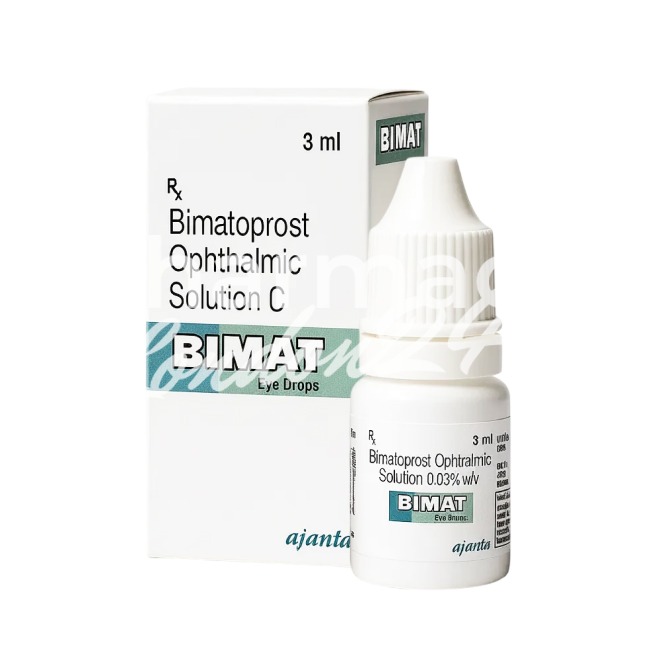
In brief
- Bimatoprost is a prescription-only medicine (POM) in the UK.
- Bimatoprost is used for the treatment of ocular hypertension and open-angle glaucoma. It works by increasing the outflow of aqueous humour, thereby lowering intraocular pressure.
- The usual dosage of bimatoprost is 1 drop in the affected eye(s) once daily, typically at night.
- The form of administration is an ophthalmic solution/drops.
- The effect of the medication begins within 4 to 8 hours.
- The duration of action is up to 24 hours.
- It is advised not to consume alcohol while using this medication.
- The most common side effects include ocular hyperemia, eyelash growth, itching, and a dry eye sensation.
- Would you like to try bimatoprost without a prescription?
Basic Bimatoprost information
- INN (international nonproprietary name): Bimatoprost
- Brand names available in the United Kingdom: Lumigan; generic bimatoprost eye drops
- ATC code: S01EE03
- Forms and dosages: Eye drops, solution, 0.01% and 0.03%
- Manufacturers in the United Kingdom: Allergan (AbbVie) and generic manufacturers
- Registration status in the United Kingdom: Prescription-only medicine (POM)
- OTC / Rx classification: Prescription-only medicine (POM)
Everyday use and best practices
For glaucoma, dosing in the evening is generally recommended. Taking the medicine at the same time each day is essential for maintaining stable intraocular pressure.
Bimatoprost is an eye drop, so meals do not matter. Establishing a routine, perhaps using a phone reminder, can help ensure regular use.
Safety priorities
Those with known allergies to bimatoprost or any of its components should not use it. Individuals with active eye infections should avoid these eye drops until the infection has been treated.
If you experience any vision changes following application, avoid driving or operating machinery until your vision is clear.
Dosage and adjustments
The dose of bimatoprost is typically one drop in the affected eye(s) once daily, in the evening. Do not exceed this dose. For elderly users or those with liver and kidney impairments, caution is warranted and monitoring for adverse effects is especially important.
What’s inside and how it works
Bimatoprost is a prostaglandin analogue that lowers intraocular pressure (IOP). It imitates the action of natural prostaglandins, enhancing uveoscleral outflow, which improves the drainage of fluid in the eye and helps reduce the risk of damage to the optic nerve from elevated pressure. An overview of the ingredients:
| Ingredient | Purpose |
|---|---|
| Bimatoprost | Main active ingredient for lowering IOP. |
| Benzalkonium chloride | Preservative to ensure product stability. |
| Phosphate buffer | Maintains pH balance for comfort. |
| Sodium chloride | Isotonicity agent, ensuring eye drops match body fluids. |
Main indications
Approved uses
Bimatoprost (Lumigan) is licensed in the UK for lowering raised intraocular pressure in open-angle glaucoma and ocular hypertension, preventing irreversible optic nerve damage.
Off-label uses in UK clinics
In some clinics bimatoprost is used to enhance eyelash growth; this is outside the UK licence of bimatoprost eye drops.
Interaction warnings
No significant food interactions are known for bimatoprost eye drops.
Patients using other eye preparations should consult their healthcare provider to avoid adverse effects. Suspected side effects can be reported through the Yellow Card scheme. Points to note:
- Concurrent use of multiple glaucoma therapies may increase local side effects.
- Historical reactions with other prostaglandin analogues can occur.
Alternative choices
NHS prescribing alternatives
For glaucoma or ocular hypertension, alternatives to bimatoprost include latanoprost and travoprost.
- Bimatoprost (Lumigan):
- Pros: Effective in lowering intraocular pressure, may enhance eyelash growth.
- Cons: Possible side effects include redness, eyelash darkening, and ocular discomfort.
- Latanoprost (Xalatan):
- Pros: Well tolerated by many patients; long-established efficacy in reducing intraocular pressure.
- Cons: Side effects can include iris pigmentation changes and conjunctival hyperaemia.
- Travoprost (Travatan):
- Pros: Effective in stabilising intraocular pressure.
- Cons: Similar side effects to other prostaglandin analogues, with possible darkening of eyelids.
Regulation snapshot
Bimatoprost is classified as a prescription-only medication in the UK under the oversight of the Medicines and Healthcare products Regulatory Agency (MHRA). It is licensed for use in managing ocular hypertension and glaucoma.
A prescription is provided after evaluation of the patient’s condition. Regular follow-ups are recommended to monitor intraocular pressure and adjust treatment as necessary. The dosage is typically one drop in the affected eye once daily, generally in the evening.
Frequently asked questions
Common questions about bimatoprost:
- How do I use Bimatoprost eye drops? Patients typically instil one drop into the affected eye once daily, ideally at bedtime. Ensure to follow any provided instructions carefully to avoid contamination.
- What are the side effects of Bimatoprost? Common side effects include temporary eye redness, dry sensation, and increased eyelash growth. Consult a healthcare professional if severe reactions occur.
- Can I use Bimatoprost with other eye medications? Yes, but it’s essential to space out the application of different medications by at least 5-10 minutes. Always consult your healthcare provider for personalised advice.
- Is Bimatoprost effective for eyelash growth? Bimatoprost eye drops are indicated for intraocular pressure management; use for promoting eyelash growth is outside their UK licence and should be discussed with a healthcare professional.
Guidelines for proper use
Pharmacist guidance on using bimatoprost correctly includes:
- Instructing patients on proper drop application technique to avoid contamination.
- Encouraging adherence to the prescribed dosage and schedule.
- Advising on the importance of regular check-ups for ongoing assessment of eye health.
The patient information leaflet gives further guidance, and NHS 111 can advise if you have concerns during treatment.
| City | Region | Delivery Time |
|---|---|---|
| London | Greater London | 9–21 days |
| Birmingham | West Midlands | 9–21 days |
| Manchester | Greater Manchester | 9–21 days |
| Glasgow | Scotland | 9–21 days |
| Newcastle | Tyne and Wear | 9–21 days |
| Leeds | West Yorkshire | 9–21 days |
| Sheffield | South Yorkshire | 9–21 days |
| Bristol | Bristol | 9–21 days |
| Cardiff | Wales | 9–21 days |
| Coventry | West Midlands | 9–21 days |
| Nottingham | East Midlands | 9–21 days |
| Leicester | East Midlands | 9–21 days |
| Southampton | Hampshire | 9–21 days |
| Reading | Berkshire | 9–21 days |



