
Amitriptyline
In brief
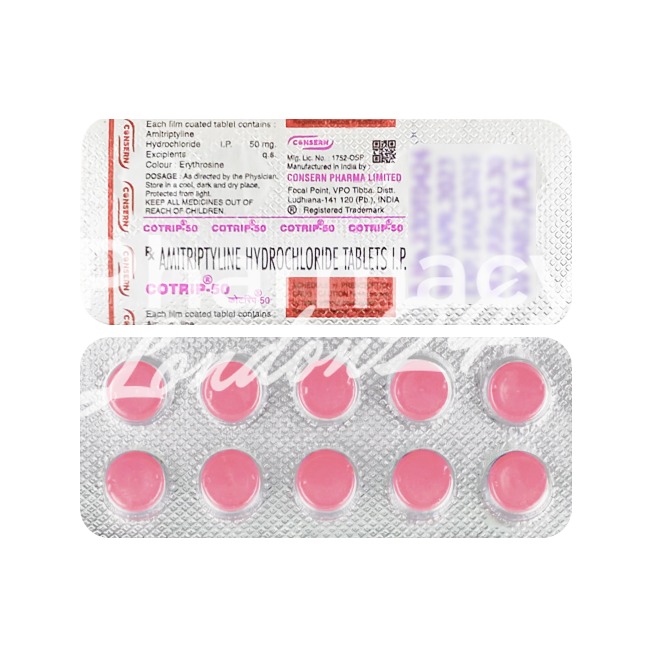
- Amitriptyline at Pharmacy London24 comes as 10mg and 25mg tablets (30 to 360 per pack), 50mg (60 to 360) and 75mg (30 to 180), with UK delivery in 9–21 days.
- This tricyclic is licensed for depression in adults, though small evening doses are now more often chosen to ease neuropathic pain and to prevent migraine attacks.
- The 10mg, 25mg and 50mg tablets are UK-licensed whereas 75mg is not. Pain relief builds slowly over a few weeks, so keep going past the first nights unless a clinician advises otherwise.
- MAOI antidepressants must not be taken with it; it is unsuitable shortly after a heart attack or in people with certain rhythm problems, and it can interact with tramadol and other antidepressants.
- Expect a dry mouth and some sleepiness the next morning at first; stopping suddenly can bring nausea and irritability, so the dose is lowered gradually. It is a UK POM.
Basic amitriptyline information
- INN (international nonproprietary name): Amitriptyline
- Brand names available in the United Kingdom: Generic amitriptyline
- ATC code: N06AA09
- Forms and dosages: Tablets (10 mg, 25 mg, 50 mg); oral solution (25 mg/5 mL, 50 mg/5 mL)
- Manufacturers in the United Kingdom: Various generic manufacturers
- Registration status in the United Kingdom: Prescription-only medicine (POM)
- OTC / Rx classification: Prescription-only medicine (POM)
Everyday use and best practices
Choosing the right time to take amitriptyline can be crucial for its effectiveness and your daily routine. Many healthcare professionals particularly recommend evening dosing due to the medication's sedative properties. Taking it at night helps manage any drowsiness during the day. Your prescriber will advise on the timing that suits you.
Taking with or without meals
Amitriptyline can be taken with or without food. Taking it with food may help if it upsets your stomach. Try to take it at the same time each day.
Safety priorities
While amitriptyline can be effective for managing conditions like depression and neuropathic pain, certain populations should exercise caution or avoid it altogether. The Medicines and Healthcare products Regulatory Agency (MHRA) advises that individuals with heart conditions, pregnant women, or those breastfeeding should refrain from using this medication unless prescribed by a healthcare provider. Always consider individual health conditions and discuss any concerns with a medical professional.
Activities to limit
Amitriptyline can potentially impair coordination and alertness. It’s advisable to assess personal safety when engaging in activities such as driving or operating heavy machinery. If feeling drowsy, it’s wise to avoid these tasks until adjusting to the medication. A careful evaluation of one’s responsiveness, especially during the initial treatment period, can help ensure safety.
Dosage and adjustments
The dose of amitriptyline depends on the condition being treated. For neuropathic pain, treatment usually starts with a low dose (10 mg) at night, whereas for depression higher doses are used, adjusted gradually according to response, in line with NHS guidance. Dosages should always be personalised to ensure efficacy while minimising side effects.
Special cases
For vulnerable populations, such as the elderly or those with comorbid conditions, dose adjustments may be necessary. These groups may face increased sensitivity to side effects; hence, starting at a lower dose, such as 10 mg, is commonly advised, with careful monitoring to optimise care.
What’s inside and how it works
Ingredients overview
Amitriptyline, known scientifically as a tricyclic antidepressant, is used for various mental health conditions. The active ingredient, amitriptyline hydrochloride, primarily targets the brain's neurotransmitters. Inactive components bolster stability and absorption, ensuring efficacy.
Amitriptyline is supplied as tablets and as an oral solution, mostly as generic products.
Mechanism basics explained simply
Amitriptyline helps to balance certain natural chemicals in the brain that affect mood and emotional state. By blocking the reabsorption of neurotransmitters like serotonin and noradrenaline, it enhances their levels, which can alleviate feelings of depression and anxiety.
As a tricyclic antidepressant, its primary role revolves around regulating these neurotransmitters, helping to improve mood and, in some contexts, reduce pain.
Main indications
Approved uses
Amitriptyline is licensed in the UK for:
- Depression
- Nocturnal enuresis in children (where other causes have been excluded)
It is also commonly prescribed off-label for neuropathic pain, migraine prophylaxis and other chronic pain conditions, as well as for anxiety disorders and insomnia.
Off-label uses in UK clinics
In the UK, off-label use is common among healthcare providers. Amitriptyline’s sedative effects make it useful for anxiety and sleep disturbances.
Interaction warnings
Food interactions
When taking amitriptyline, certain foods and drinks can create problematic interactions. Alcohol can amplify sedation and increase the risk of side effects, so it is wise to limit or avoid it while on the medication.
Drug conflicts
Potential drug interactions can arise from concomitant medications. Interactions are of particular concern with other central nervous system depressants, certain antihistamines, and other serotonergic medicines. Suspected side effects can be reported through the Yellow Card scheme.
It’s crucial to speak with a healthcare professional before starting any new prescription, as they can provide insights into safe combinations and necessary monitoring throughout treatment.
Alternative choices
For those considering alternatives to amitriptyline, several other medications are available through the NHS. These options include:
- SSRIs like fluoxetine
- SNRIs such as venlafaxine
- Other tricyclic antidepressants like nortriptyline
- Gabapentin for neuropathic pain management
Each alternative has its own pros and cons. While some may offer fewer side effects, others might have a different mechanism of action affecting efficacy. It’s best to consult with a healthcare professional to evaluate the most suitable option based on individual circumstances and treatment goals.
Regulation snapshot
Amitriptyline is approved for use in the UK through the Medicines and Healthcare products Regulatory Agency (MHRA) process.
In the NHS, amitriptyline is classified as a prescription-only medicine (POM). This means only qualified health professionals can prescribe it, ensuring that patients receive appropriate medical supervision. Regulations also require that doctors follow established guidelines regarding dosage adjustments, durations of treatment, and monitoring for side effects. This careful control enhances patient safety and optimises treatment outcomes.
Frequently asked questions
Patients often have questions about taking amitriptyline. Here are some of the most common enquiries:
What if I miss a dose? If a dose is missed, it's recommended to take it as soon as remembered unless it's nearly time for the next dose. In that case, skip the missed dose—never double dose to catch up.
Is it safe to take with other medications? Combining amitriptyline with other medications can lead to interactions. It's crucial to inform your healthcare provider about all medications being taken, including over-the-counter drugs.
Can I stop taking it suddenly? Stopping amitriptyline suddenly can cause withdrawal symptoms. It's best to consult a healthcare professional for guidance on how to taper off the medication safely.
Guidelines for proper use
UK pharmacist counselling style
During pharmacist consultations regarding amitriptyline, patients can expect a straightforward conversation that covers essential topics. Pharmacists will discuss:
- Dosage recommendations
- How to handle missed doses
- Potential side effects and what to do if they occur
These discussions aim to foster a supportive relationship between pharmacists and patients, ensuring that individuals feel comfortable asking questions and expressing concerns about their treatment.
NHS patient support advice
The NHS offers a variety of support services for patients taking amitriptyline. Resources often include:
- Helplines for immediate questions about medication
- Educational materials about managing side effects
- Links to multidisciplinary support teams, including mental health professionals
Engaging with these services can significantly enhance the effectiveness of treatment and provide reassurance throughout the journey of managing mental health or chronic pain conditions.
| City | Region | Delivery Time |
|---|---|---|
| London | Greater London | 9–21 days |
| Birmingham | West Midlands | 9–21 days |
| Manchester | Greater Manchester | 9–21 days |
| Glasgow | Scotland | 9–21 days |
| Liverpool | Merseyside | 9–21 days |
| Leeds | West Yorkshire | 9–21 days |
| Sheffield | South Yorkshire | 9–21 days |
| Bristol | South West | 9–21 days |
| Cardiff | Wales | 9–21 days |
| Newcastle upon Tyne | Tyne and Wear | 9–21 days |
| Nottingham | East Midlands | 9–21 days |
| Southampton | Hampshire | 9–21 days |
| Leicester | East Midlands | 9–21 days |
| Coventry | West Midlands | 9–21 days |
| Brighton | East Sussex | 9–21 days |



