
Albendazole
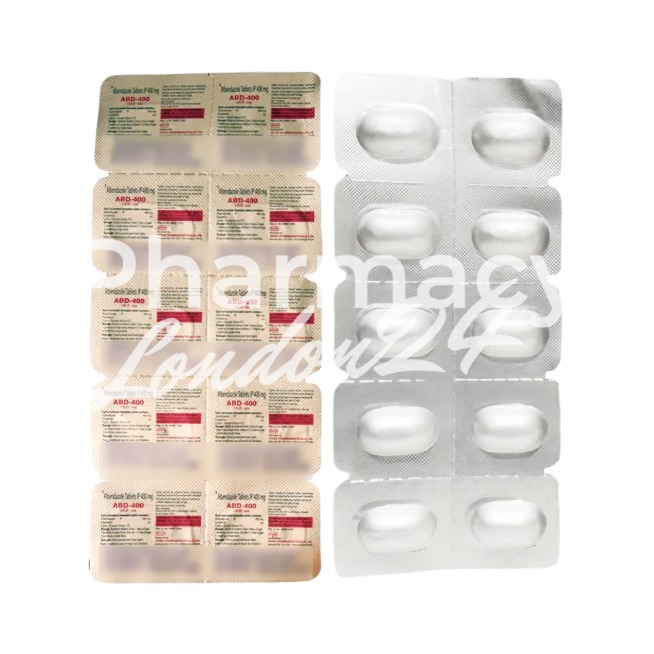
In brief
- In our pharmacy, you can buy albendazole without a prescription, with delivery in 9–21 days throughout the United Kingdom. Discreet and anonymous packaging.
- Albendazole is intended for the treatment of various helminth infections, such as ascariasis and neurocysticercosis. The drug works by inhibiting the polymerisation of tubulin, leading to the disruption of the parasite’s microtubule formation.
- The usual dose of albendazole varies by condition but typically is 400 mg for adults in a single dose for certain infections.
- The form of administration is a tablet.
- The effect of the medication begins within a few hours following administration.
- It is advisable to avoid alcohol while taking albendazole.
- The most common side effect is gastrointestinal upset, including nausea and abdominal pain.
- Would you like to try albendazole without a prescription?
Basic albendazole information
- International nonproprietary name (INN): Albendazole
- Brand names available in the United Kingdom: Eskazole, Zentel
- ATC code: P02CA03
- Forms and dosages: Oral tablets (400 mg)
- Manufacturers in the United Kingdom: GlaxoSmithKline and others
- Registration status in the United Kingdom: Prescription-only medicine (POM)
- OTC / Rx classification: Prescription-only medicine (POM)
Morning vs evening dosing
Different individuals may have varying preferences when it comes to taking albendazole. Albendazole can be taken at any time of day, so choose a time that fits your everyday routine and helps you stay consistent. Engaging with a pharmacist or GP regarding the best time to take it can help you get the most out of the treatment. It's important to consider specific health conditions, as the health professional may suggest modifications to standard recommendations.Taking with or without meals (UK diet habits)
Albendazole is usually taken with a meal, particularly a fatty one, which enhances its absorption. For treatment of tissue infections such as neurocysticercosis or hydatid disease, taking it with food is especially important. Always consult your GP or pharmacist for personalised advice on how to take albendazole.What’s inside and how it works
Ingredients overview
Albendazole tablets contain the active ingredient albendazole, in a dose of 400 mg. Inactive ingredients support the stability of the tablet.
Mechanism basics explained simply
How does albendazole work? It binds to tubulin in the parasite, which disrupts its microtubules and reduces its ability to absorb glucose. This leads to the death of the parasite.
Main indications
Albendazole is used in the treatment of various parasitic infections, including hydatid disease, neurocysticercosis and some intestinal worm infections such as ascariasis and hookworm. It has broad-spectrum activity against gastrointestinal and tissue parasites.
Approved uses (MHRA listing)
Albendazole is licensed in the UK for several parasitic infections. It targets both intestinal and extraintestinal parasites and is an important treatment option for neurocysticercosis and hydatid disease.
Off-label uses in UK clinics
While primarily indicated for specific infections, albendazole also enjoys off-label usage in various contexts. For example, it is occasionally used to treat skin conditions caused by parasitic infections. It is essential for patients to consult healthcare professionals prior to using albendazole off-label, as safety and efficacy can vary based on individual circumstances.
Interaction warnings
Food and other medicines can affect the absorption and effectiveness of albendazole.
Food interactions (alcohol, tea/coffee)
High-fat meals increase the absorption of albendazole. Alcohol is best avoided as it may add to gastrointestinal side effects.
Drug conflicts
Albendazole can interact with medications that influence liver enzymes, such as cimetidine, dexamethasone and some anticonvulsants. Patients should tell healthcare providers about all their medicines, including over-the-counter options.
Alternative choices
For those exploring alternatives to albendazole, options like mebendazole and ivermectin emerge, each with unique characteristics. The pros and cons are as follows.
| Alternative | Pros | Cons |
|---|---|---|
| Mebendazole | Widely used for intestinal worms | May require more frequent dosing |
| Ivermectin | Effective for some unique cases | Limited to specific parasites |
Regulation snapshot
Albendazole is a prescription-only medicine (POM) in the UK, regulated by the MHRA. It is prescribed for infections that usually need specialist parasitology advice.
MHRA approval and NHS prescribing framework
Patients are encouraged to report any suspected side effects via the Yellow Card scheme.
| City | Region | Delivery Time |
|---|---|---|
| London | Greater London | 9–21 days |
| Birmingham | West Midlands | 9–21 days |
| Manchester | Greater Manchester | 9–21 days |
| Glasgow | Scotland | 9–21 days |
| Liverpool | Merseyside | 9–21 days |
| Bristol | South West | 9–21 days |
| Sheffield | South Yorkshire | 9–21 days |
| Leeds | West Yorkshire | 9–21 days |
| Newcastle | Tyne and Wear | 9–21 days |
| Nottingham | East Midlands | 9–21 days |
| Cardiff | Wales | 9–21 days |
| Exeter | South West | 9–21 days |
| Aberdeen | Scotland | 9–21 days |
| Brighton | South East | 9–21 days |
| Coventry | West Midlands | 9–21 days |



