
Analgesics
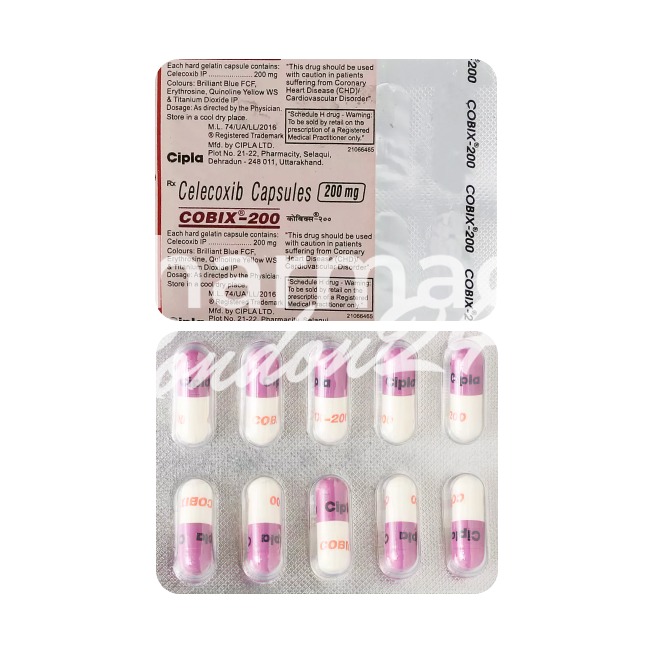
Celebrex
from8,24 £
View product

Ibuprofen
from8,24 £
View product

Indocid
from14,23 £
View product

Indomethacin
from14,23 £
View product
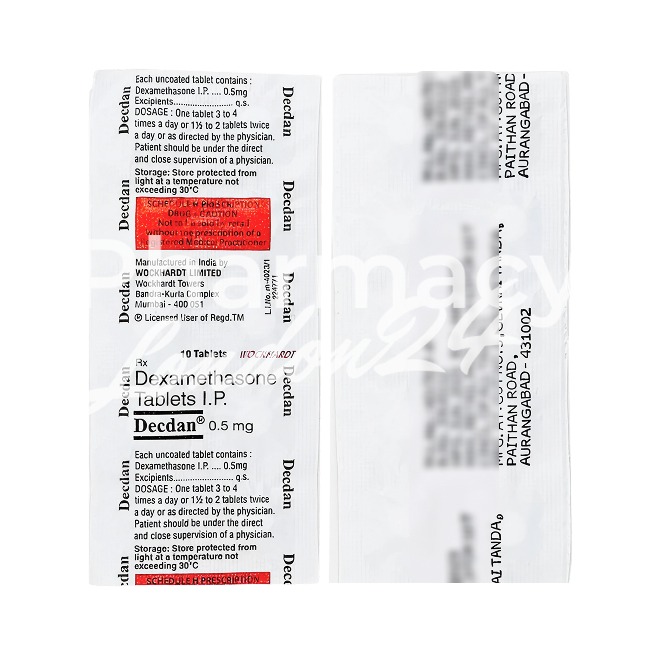
Decadron
from17,98 £
View product
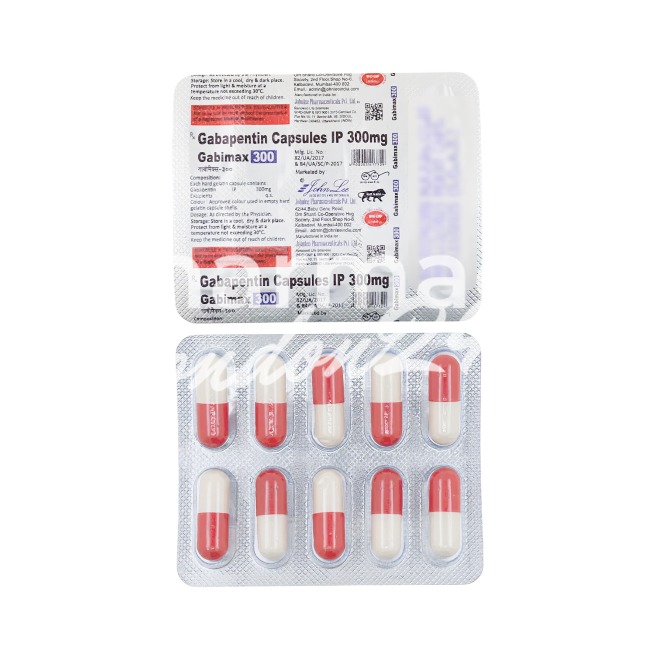
Neurontin
from18,73 £
View product
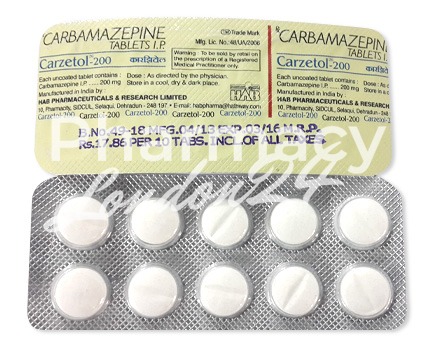
Carbamazepine
from20,23 £
View product

Tegretol
from20,23 £
View product

Voveran Gel
from22,48 £
View product

Azathioprine
from23,23 £
View product
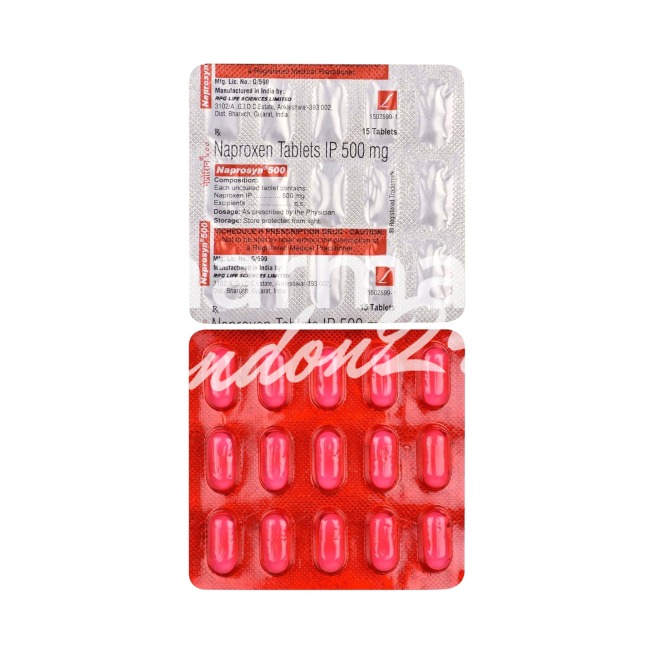
Naprosyn
from26,23 £
View product
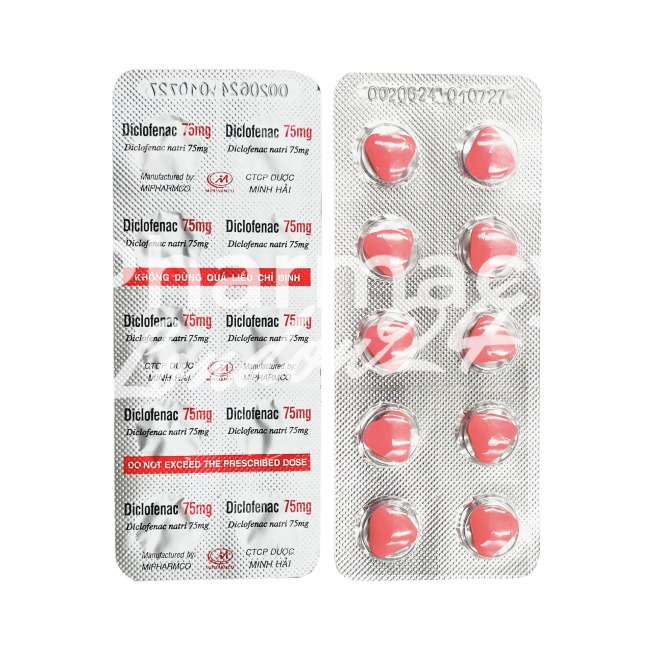
Diclofenac
from29,53 £
View product

Phenazopyridine
from30,72 £
View product
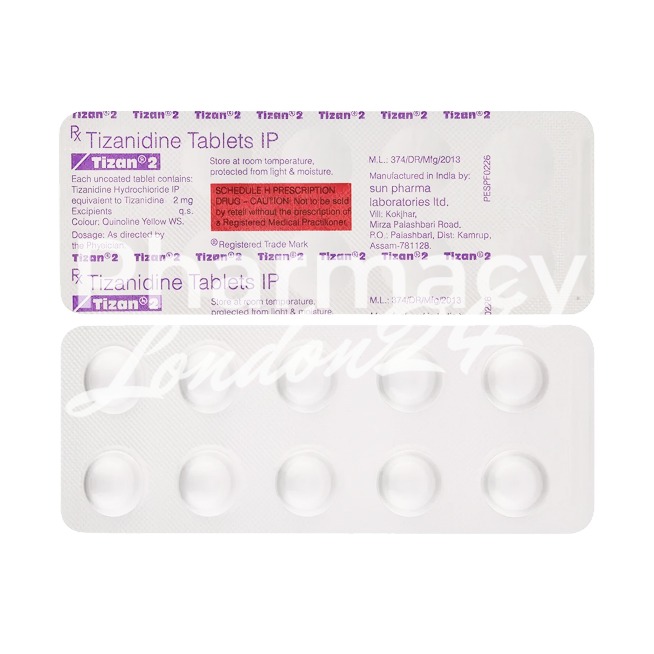
Zanaflex
from30,72 £
View product
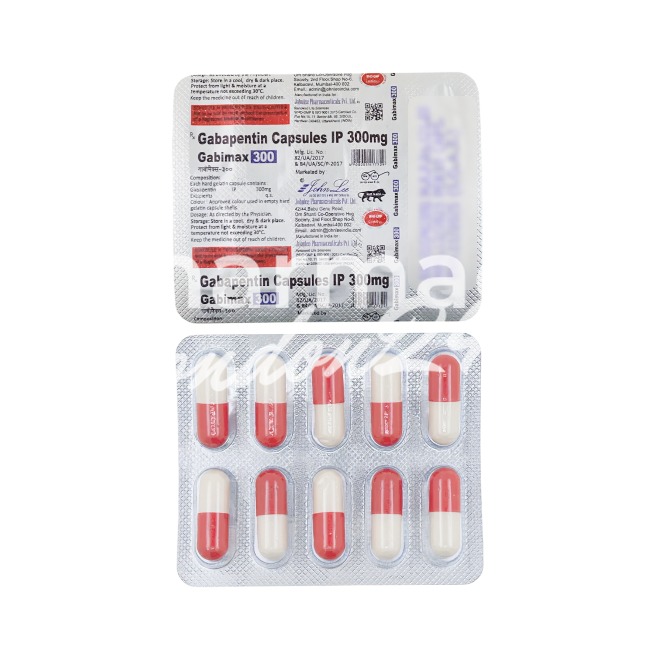
Gabapentin
from34,47 £
View product

Tizanidine
from41,22 £
View product
Understanding Pain Relief: What Are Analgesics?
Analgesics are medications specifically designed to reduce or eliminate pain without causing loss of consciousness. These pharmaceutical preparations work by targeting pain pathways in the nervous system, either by blocking pain signals from reaching the brain or by reducing inflammation at the source of discomfort. The primary purpose of analgesics is to provide relief from various types of pain, enabling individuals to maintain their daily activities and improve their quality of life. Pain relief medications function through different mechanisms depending on their classification. Some analgesics work by inhibiting the production of prostaglandins, which are chemicals that cause inflammation and pain, whilst others affect the central nervous system's perception of pain signals. These medications are commonly used to treat headaches, muscle aches, arthritis, menstrual pain, dental pain, back pain, and post-operative discomfort. It's essential to consider using pain relief medication when pain interferes with daily activities, sleep, or overall wellbeing. Proper dosage and timing are crucial for effective pain management whilst minimising potential side effects and ensuring safe usage.Over-the-Counter Pain Relief Options
Paracetamol
Paracetamol, also known as acetaminophen, is one of the most widely used analgesics in the UK. It's particularly effective for mild to moderate pain and fever reduction. The standard adult dosage is 500mg to 1000mg every four to six hours, with a maximum daily limit of 4000mg. Paracetamol is generally well-tolerated and can be used during pregnancy when taken as directed.NSAIDs and Aspirin
Non-steroidal anti-inflammatory drugs (NSAIDs) such as ibuprofen are excellent for pain accompanied by inflammation. Ibuprofen typically provides relief for 6-8 hours and is available in various strengths. Aspirin serves dual purposes as both a pain reliever and anti-inflammatory medication, though it's not suitable for children under 16 due to the risk of Reye's syndrome.Popular UK brands
Popular UK brands include:- Nurofen (ibuprofen-based products)
- Panadol (paracetamol formulations)
- Anadin (combination pain relief)
- Solpadeine (paracetamol with codeine)
Topical pain relief products
Topical pain relief gels and creams offer localised treatment for muscle strains and joint pain. Always follow age-specific dosing guidelines, with children requiring reduced doses and certain medications being unsuitable for specific age groups.Prescription-Only Pain Medications
For severe pain that cannot be adequately managed with over-the-counter options, prescription-only medicines (POMs) offer stronger analgesic relief under medical supervision. These medications require a prescription from your GP or specialist and are typically reserved for more serious pain conditions.Opioid-Based Analgesics
Stronger opioid medications such as morphine, oxycodone, and fentanyl are prescribed for severe pain management, particularly in cases of cancer pain, post-surgical recovery, or chronic pain conditions. Co-codamol and co-dydramol combine paracetamol with codeine or dihydrocodeine respectively, providing enhanced pain relief for moderate to severe discomfort.Additional Prescription Options
Tramadol offers effective treatment for moderate to severe pain with a lower risk profile than traditional opioids. Prescription-strength NSAIDs like diclofenac provide powerful anti-inflammatory action for conditions such as arthritis. Muscle relaxants including baclofen and tizanidine target specific muscular pain conditions.Safety and Responsibility
Prescription analgesics carry important safety considerations, including potential dependency risks and side effects. Proper storage in a secure location away from children and correct disposal through pharmacy return schemes are essential. Always follow your healthcare provider's instructions regarding dosage and duration of treatment.Targeted Pain Relief Solutions
Different types of pain require specific treatment approaches. Targeted pain relief solutions are designed to address particular pain conditions more effectively than general analgesics, offering specialised relief for various symptoms and underlying causes.Migraine and Headache Treatments
Migraine-specific medications include triptans such as sumatriptan, which work by targeting serotonin receptors to reduce inflammation and constrict blood vessels. These treatments are most effective when taken at the first sign of migraine symptoms and are available both as prescription medicines and through pharmacy consultation services.Condition-Specific Pain Management
- Menstrual pain relief through targeted anti-spasmodic medications and hormonal treatments
- Back pain solutions including topical preparations, oral NSAIDs, and muscle relaxants
- Arthritis management with disease-modifying drugs and specialised anti-inflammatory treatments
- Sports injury remedies focusing on rapid inflammation reduction and tissue repair
- Dental pain relief with localised treatments and appropriate systemic analgesics
Post-Operative Pain Management
Following surgical procedures, structured pain management protocols ensure comfortable recovery. This may include graduated analgesic therapy starting with stronger medications and transitioning to milder options as healing progresses, always under professional medical guidance.Safe Usage and Important Considerations
Proper use of analgesics is crucial for effective pain relief whilst minimising potential risks. Always read medication labels carefully and familiarise yourself with active ingredients to avoid accidental overdose. Many people unknowingly take multiple products containing the same active ingredient, such as paracetamol found in cold remedies and standalone pain relievers. Be particularly cautious about drug interactions and contraindications. Some analgesics may interact with prescription medications, blood thinners, or other health conditions. Elderly patients require special consideration as they may be more sensitive to side effects and process medications differently. During pregnancy and breastfeeding, certain pain relievers should be avoided or used only under medical supervision.- Check all medications for duplicate active ingredients
- Avoid exceeding recommended dosages or frequency
- Be aware of contraindications with existing health conditions
- Monitor for signs of medication overuse headaches
- Keep medications away from children